.jpg)
Executive summary: Big Food, big shift.
Antwerp, Belgium - February 3rd, 2026
By Chayenne Meers, Product Manager Consumer Products
Something fundamental has shifted in the Big Food industry. A decade ago, packaged food companies delivered 15% total shareholder returns. Today, that figure has collapsed to 2.9%, the lowest of any major sector.
Our take? The formula that built Big Food has lost its magic. Scaling through mega-mergers, relentless cost optimization, efficiency above all; these strategies delivered impressive results when markets were more predictable. Those days, however, are over.
Across the industry, leading players like Unilever, Nestlé and PepsiCo are fundamentally rethinking how to grow. Some are narrowing their portfolios to fewer, stronger brands. Others are channeling resources into health, functional nutrition, and local authority. Several are cutting product ranges to save money, others to make room for more purposeful innovation. These aren't isolated moves.
When Warren Buffett’s Berkshire Hathaway files to exit KraftHeinz, it sends a message to the entire sector, not just one company. The strategies that optimized the past won't secure the future. What comes next will require a different balance, one of scaling with soul, and protecting margins with modernity.
Let's dive in!




The numbers that should worry every legacy food brand.
According to Bain & Company's 2025 research, packaged food companies now deliver the lowest total shareholder returns of any major sector. A decline from 15% to 2.9% cannot be ignored, nor can it be interpreted as a cyclical downturn.
In addition, Bain's Consumer Products Report 2025 states that insurgent or ‘challenger’ brands now capture up to 40% of total US consumer product growth. And, did you know that the largest 50 CPG companies globally posted just 1.2% revenue growth in the first half of 2024?
For years, Big Food followed a clear formula: scale at any cost, relentless cost optimization, efficiency over exploration. That approach delivered results in a more predictable market. Today, however, we see a playbook that has stopped delivering. Smaller, more agile competitors are taking more and more share.
Coincidence? I think not, because at the core of it all sits true customer understanding and a structural shift that demands legacy FMCG companies to react.
For years, Big Food followed a clear formula: scale at any cost, relentless cost optimization, efficiency over exploration. That approach delivered results in a more predictable market. Today, however, we see a playbook that has stopped delivering.
Legacy players are responding with dramatic strategic shifts.
Across the industry, the response has moved beyond incremental adjustments to fundamental reimaginations of what these companies should be.
In December, Unilever completed the spin-off of its ice cream business. CEO Fernando Fernandez has been explicit: shifting from 20% to 50% premium positioning, while accelerating disposals of slower-moving brands. In addition, PepsiCo announced it would eliminate nearly 20% of its US product lineup by early 2026, reinvesting savings into cleaner-label and protein-enhanced lines. Nestlé has systematically repositioned itself around health and functional nutrition, with 50% of sales now coming from coffee, pet care, and Nestlé Health Science products.
Perhaps the most symbolic signal came in January, when Berkshire Hathaway filed to exit its stake in Kraft Heinz. Warren Buffett, whose investment alongside 3G Capital helped create the company through the 2015 merger, had already acknowledged that the deal didn't deliver the expected results. The filing signals that even the most patient, conviction-based investors are reassessing their positions in legacy packaged food; a recognition that the industry's fundamentals have shifted.

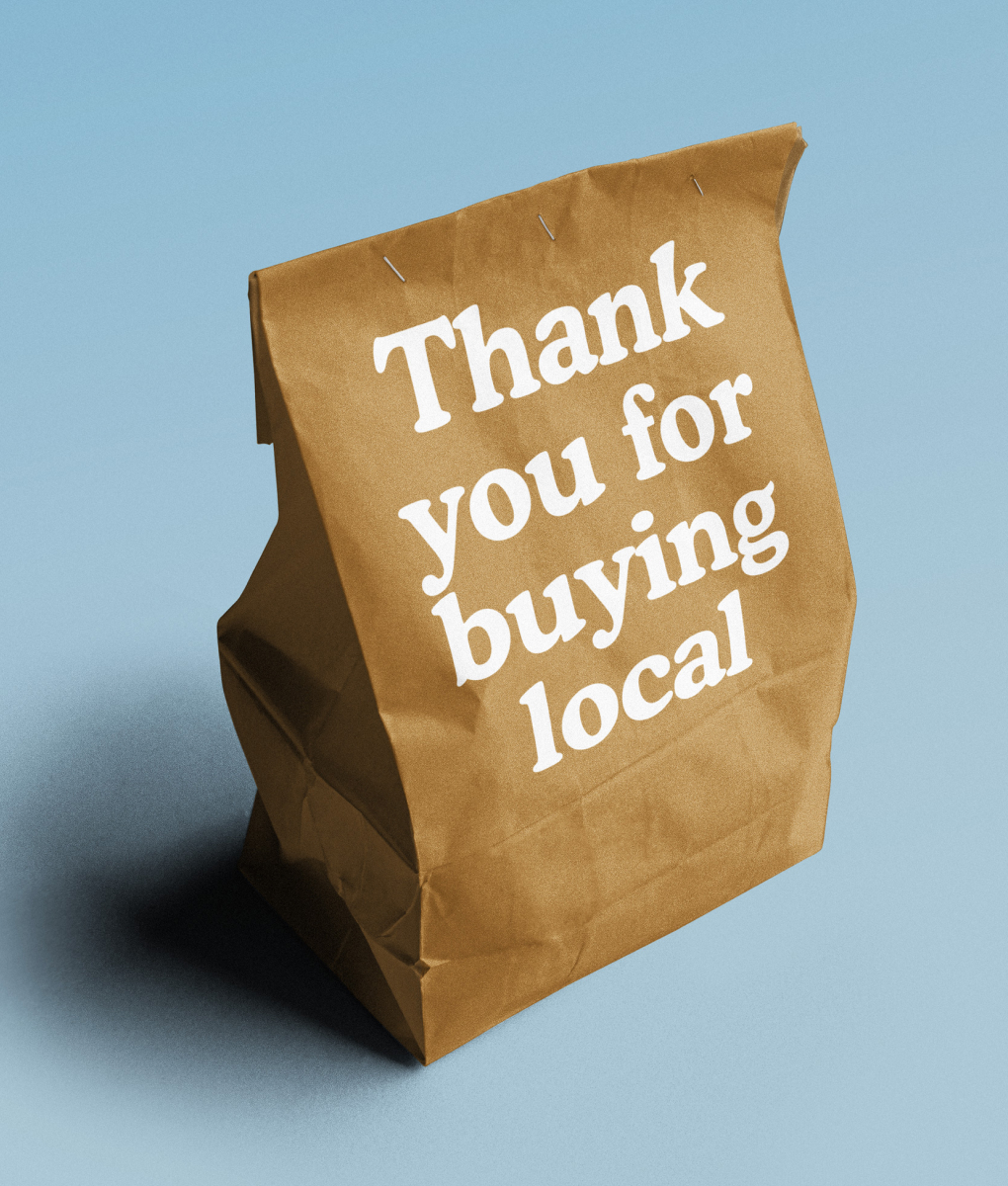
There’s a growing emotional pull toward local heroes. Global scale still matters, but relevance increasingly lives closer to home.
What consumers actually want now.
What we see in our consumer strategy projects is that these behavioural shifts are permanent.
Health consciousness has moved from niche to mainstream. Consumers are becoming far more aware of what products actually consist of. Bain found that 50% of consumers want to eat less ultra-processed food. Clean labels and ingredient transparency have shifted from premium differentiators to baseline expectations. McKinsey's Future of Wellness research confirms: 84% of US consumers now consider wellness a "top" or "important" priority.
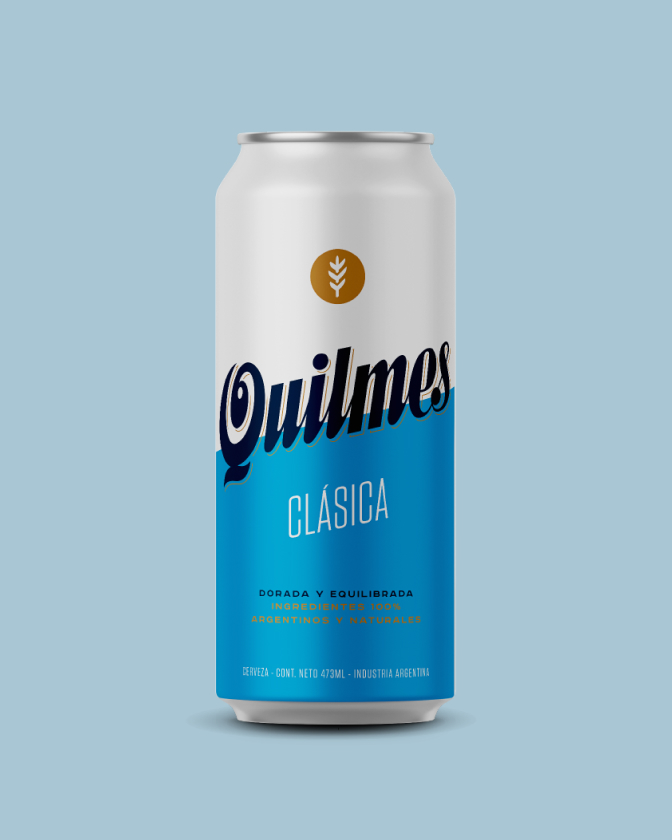
Local authenticity is commanding outsized loyalty. There’s a growing emotional pull toward local heroes. Global scale still matters, but relevance increasingly lives closer to home. AB InBev is a good illustration. While Corona and Stella Artois dominate globally, local megabrands like Brahma (Brazil), Quilmes (Argentina), and Jupiler (Belgium) command deep cultural resonance. In Belgium, Devos & Lemmens remains a household name precisely because it feels authentically "ours."
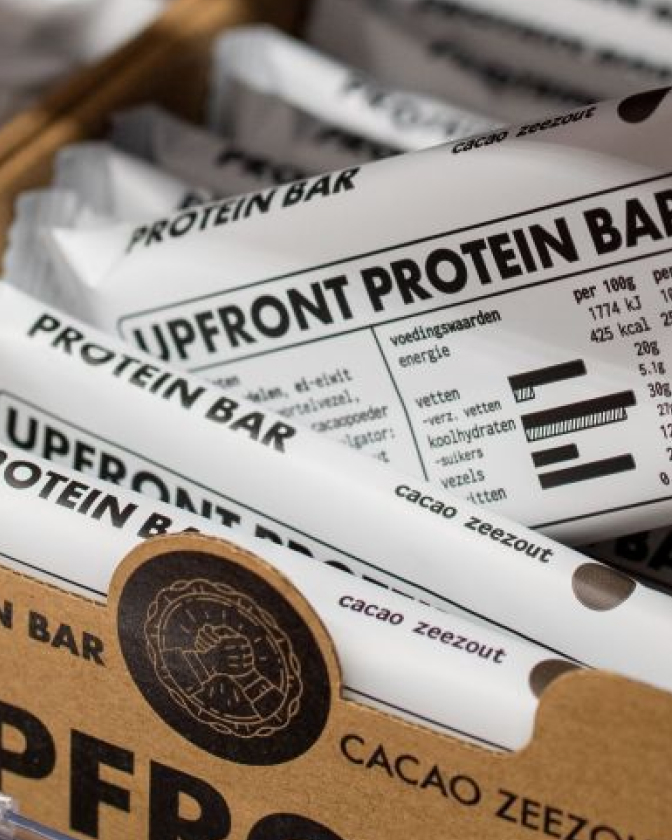
Radical transparency is winning. Dutch brand Upfront has built its proposition around placing ingredients boldly on the front of packaging. This approach isn’t just aesthetic, it reflects a mission to make honest, understandable food choices the default, with customers and the brand growing together through shared clarity rather than persuasion.
The answer is category specific.
Consumers are no longer loyal to brands by default. They reward those that evolve with their needs and values. However, this puts pressure on legacy food companies built for efficiency, rather than empathy. As always, there is no “one size fits all”. The answer is specific for both category and brand.
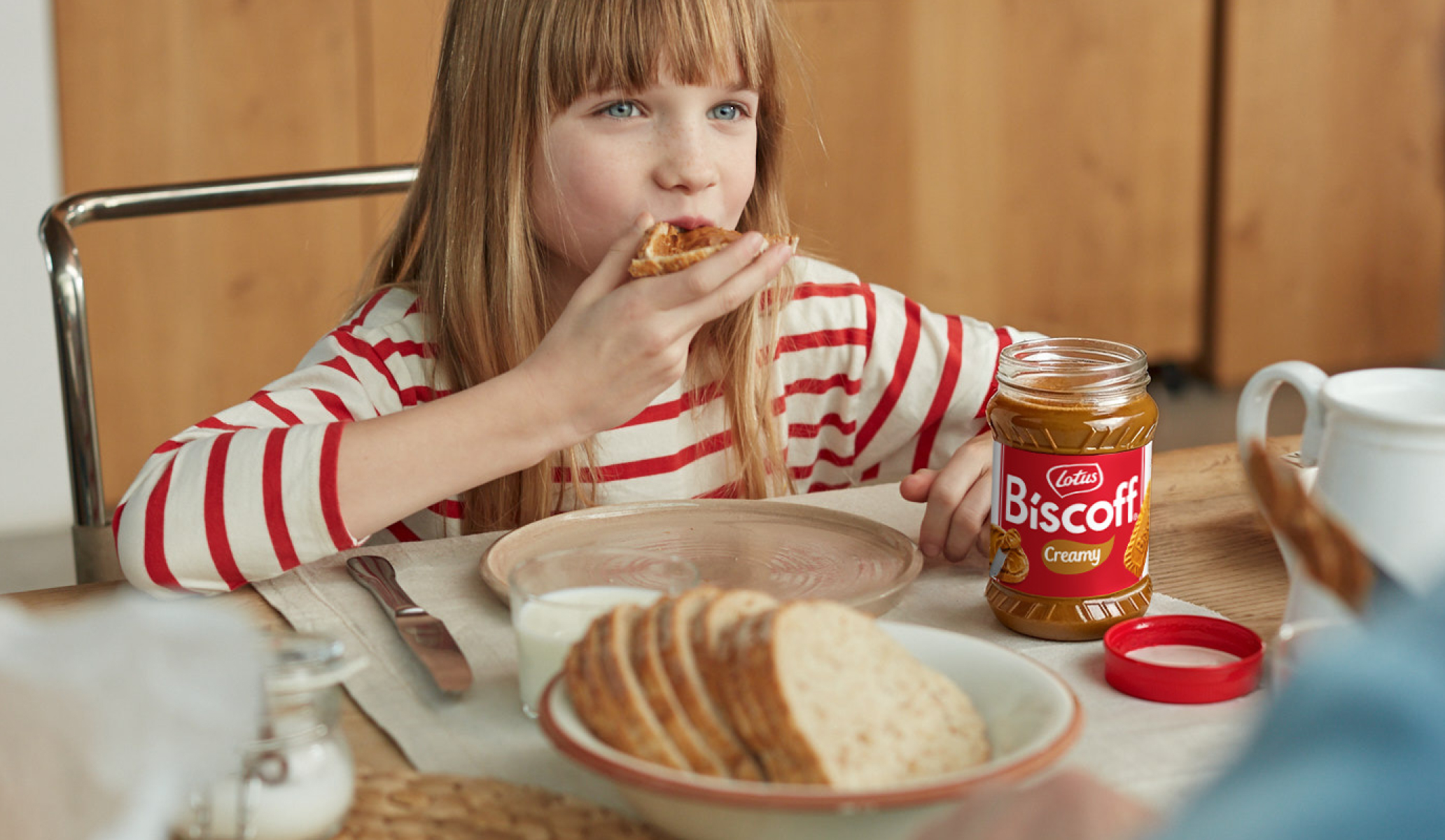
Looking at Lotus Bakeries, this company is unapologetically scaling Biscoff into a global powerhouse by leaning into indulgence rather than health claims. The strategy works because it doesn't pretend to be something it's not. Consumers aren't always looking for every product to be "healthy". They're looking for honesty about what a product actually is.
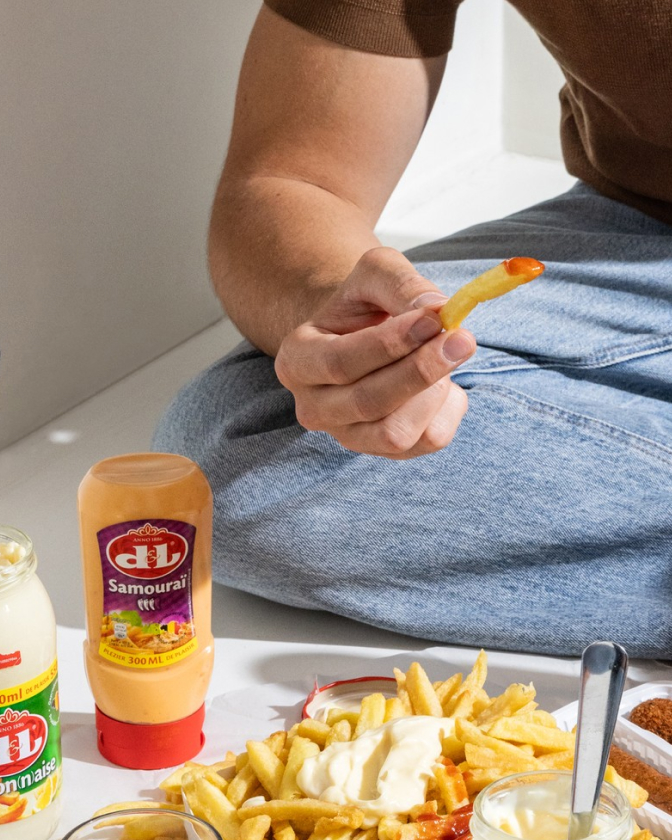
Rather than chasing global scale with generic offers, GB Foods has built its business around locally beloved brands that are deeply woven into regional food cultures. Its purpose statement emphasises “celebrating local flavours,” with many brands present in people’s kitchens for generations. In Belgium, Devos & Lemmens, a 130-year-old sauce and condiment brand, remains a household name, commanding strong emotional loyalty because it feels authentic, familiar and “ours.” This illustrates how local resonance, rooted in cultural heritage and everyday usage, can also be a powerful driver of consumer preference, rather than global brand reach.
What's emerging is a fundamental shift from scale-driven efficiency to meaning-driven relevance. The companies navigating this successfully are those that genuinely understand what consumers want and have reorganized their operating model around delivering it.
The future of packaged food will likely belong to those who can balance scale with soul and margins with modernity. For legacy companies, that means confronting uncomfortable questions about portfolio composition and business model design. For insurgents, it means building for sustainable scale without losing the authenticity that drove early growth.
The path forward.
Seen through Warren Buffet’s lens, Berkshire Hathaway stepping away from KraftHeinz is less a rejection of one company and more a signal to the entire sector: the old playbook of scale at any cost and efficiency over meaning is losing relevance. The future of packaged food will likely belong to those who can balance scale with soul and margins with modernity.
For legacy companies, that means confronting uncomfortable questions about portfolio composition and business model design. For insurgents, it means building for sustainable scale without losing the authenticity that drove early growth.
The shareholder returns don't lie. Neither do the consumer trends. The question is whether leadership teams can move fast enough to lead that change rather than be swept aside by it.