The 2026 growth play for maritime businesses
To secure a lasting advantage in the 2026 maritime transformation, leaders must bridge the gap between compliance and commercial success by weaponizing data, fostering collaborative energy ecosystems, and steering their global operations with the precision of trustworthy AI.
.jpg)
Executive summary
Antwerp, Belgium - December 29rd, 2025
By Jeroen Nelen,
Director Maritime & Logistics
The maritime industry, responsible for moving over 80% of global trade, finds itself in a period of tremendous transformation. As regulatory frameworks mature and digital capabilities expand, 2026 offers forward-thinking industry leaders a unique window to establish lasting advantage.
In this article, we examine some of the key challenges that will define maritime glory in 2026 and beyond. We’ll take you from how to turn data into a strategic asset that fuels both compliance and commercial performance, to building collaborative ecosystems that unlock the true potential of sustainable energy solutions, and deploying trustworthy AI at sea and ashore.




The year maritime assets are repriced by data
For maritime and logistics leaders, 2026 is an immediate P&L reality as the industry is approaching a critical inflection point where regulatory pressure, competitive dynamics, and technological capability converge. A stark contrast in the market will rapidly develop, with companies that have built data-driven operations to protect their margins and asset values, while companies relying on analog foundations will face compounding costs.
Hence, 2026 could be seen as a year of no return if you consider what’s coming in the next eighteen months in terms of legislative frameworks. For shipowners and operators, the EU Emissions Trading System expands to cover 100% of maritime emissions by 2026. The IMO's Net-Zero Framework, entering into force somewhere 2027-2028, with mandatory greenhouse gas intensity targets affecting vessels responsible for 85% of international shipping emissions. FuelEU Maritime requirements, already active, will tighten progressively.
But the regulatory wave extends far beyond vessel operators. Freight forwarders face ICS2 Release 3, which requires detailed Entry Summary Declarations for all goods entering the EU, shifting data responsibility onto forwarders who must now provide accurate house-level information or risk delays and penalties. The Carbon Border Adjustment Mechanism (CBAM) enters its definitive phase in January 2026, requiring importers to purchase certificates for embedded emissions in carbon-intensive goods, a requirement that will ripple through logistics and supply chains as forwarders are increasingly asked to collect and verify emissions data. The Corporate Sustainability Reporting Directive (CSRD) mandates that large companies report Scope 3 emissions from their transport activities, putting pressure on logistics providers throughout the value chain to deliver accurate, auditable emissions data. And CountEmissionsEU, now politically agreed, will establish a single EU methodology for calculating transport emissions, ensuring that any published data must follow a harmonised, verifiable standard.
2026 is a year of no return: any vessel that cannot produce accurate, auditable, real-time data becomes a liability, effectively turning operational opacity into a 'stranded asset' risk.
New legislation means a new reality. Going forward, a vessel that cannot produce accurate, auditable, real-time data becomes a liability. If you cannot verify your emissions, you cannot control your costs, effectively turning operational opacity into a "stranded asset" risk.
Yet, the industry comes relatively unprepared at this point. According to the Lloyd's Register Global Maritime Trends 2025 Barometer, digital transformation progress aligns with only 32% to 48% of 2030 targets. Energy transition scores sit even lower, between 24% and 30%. While a Wärtsilä survey indicates that 66% of shipping companies have initiated digital transformation, most remain stuck in early pilot stages.
The gap between digital leaders and laggards is therefore widening. At Made, we come to the conclusion that those who treat 2026 merely as a compliance exercise will find themselves perpetually reacting to market forces. Those who recognize this year as a strategic inflection point will build the operational infrastructure that competitors cannot easily replicate.
Zooming in on operational infrastructure, three main challenges will determine which side of that divide your organisation lands on.
Maritime data management: from compliance burden to competitive fuel
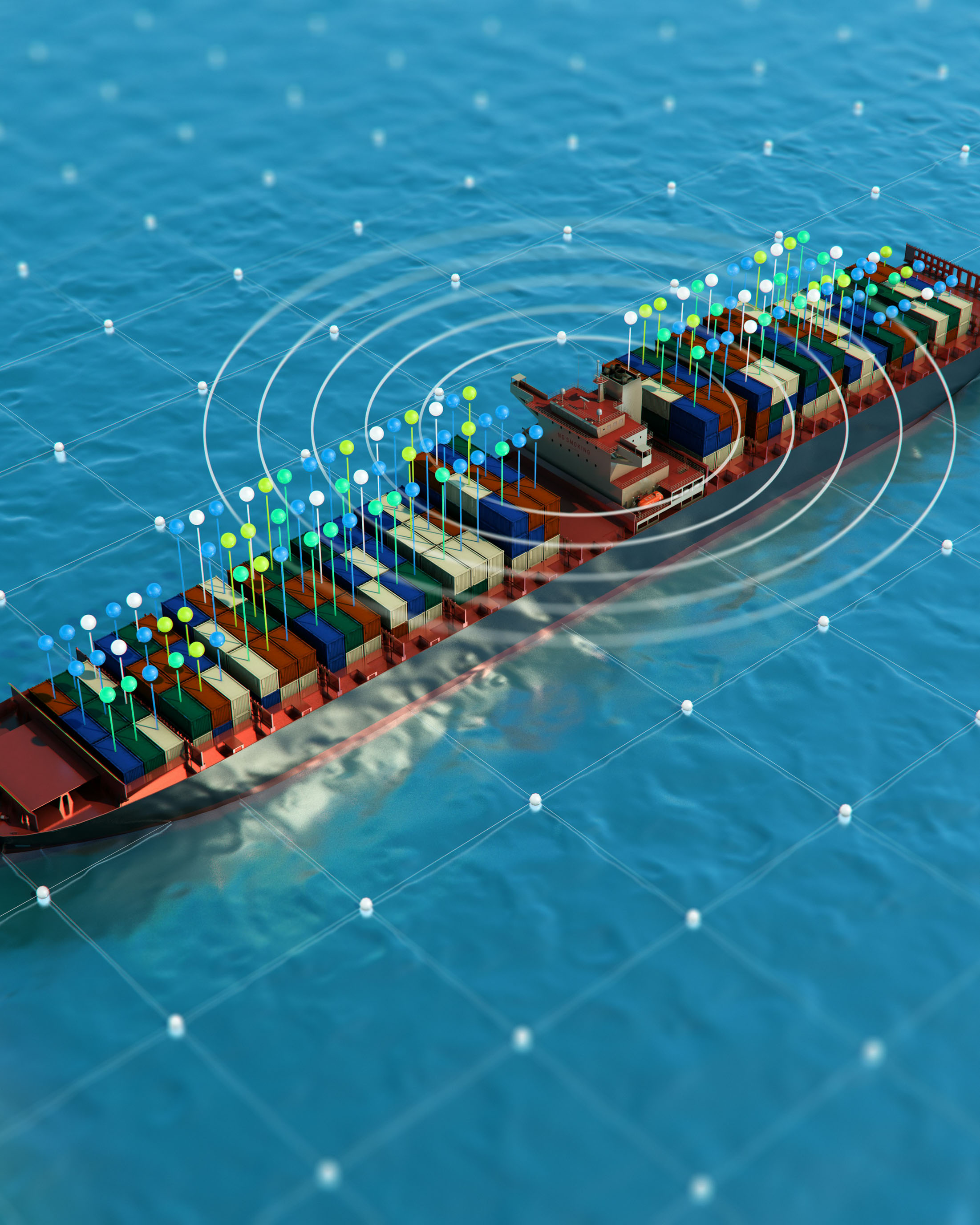
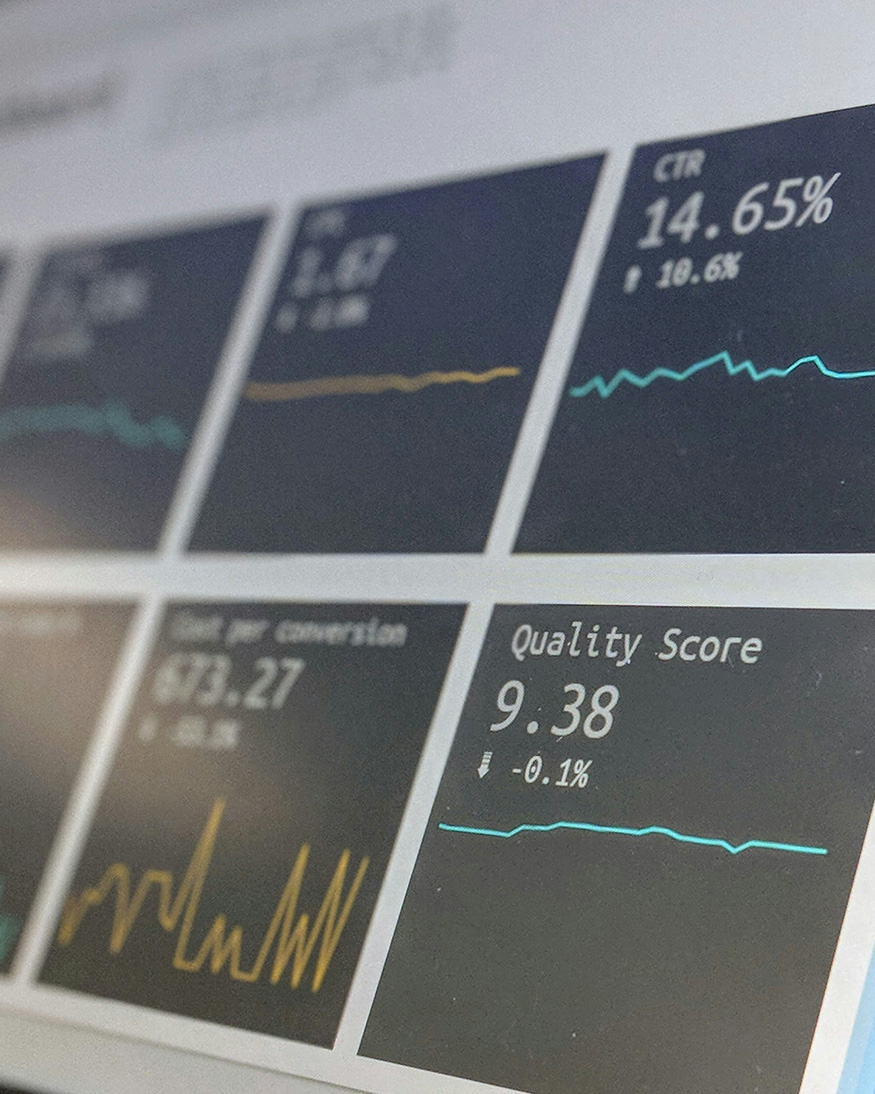
The first challenge we see for maritime companies throughout the world is a foundational one. Many discussions about maritime's future typically focus on new fuels, new regulations, and new vessels. All very much true, obviously, yet something more fundamental is at play. The real transformation lies in approaching data not merely as a reporting requirement or an efficiency tweak. Data is the strategic engine that will determine how fleets operate, how decisions get made, and who maintains competitive advantage in the next few years to come.
In previous years, digital tooling in maritime has often been treated as a plain tech layer on top of existing operations: another platform, another spreadsheet, another compliance portal. These solutions delivered quick wins initially, but often ended up with a number of disconnected tools that created fragmented data structures. This inefficiency inhibits growth. The Lloyd's Register Barometer identifies the lack of data transparency, standardisation and interoperability as major barriers to progress, alongside a widespread lack of digital skills among seafarers and shore-based teams.
In a nutshell: when the right data cannot reach the right people at the right time, optimisation across vessel routing, emissions management, and customer experience becomes impossible.
The solution here lies in holistic system design. When internal data silos break down, new insights emerge that enable fundamentally better decision-making. Consider vessel performance software: a decade ago, adjustments to the vessel performance were made on instinct. Engineers listened to engines, watched fuel curves, trusted experience, and reacted when something felt off.
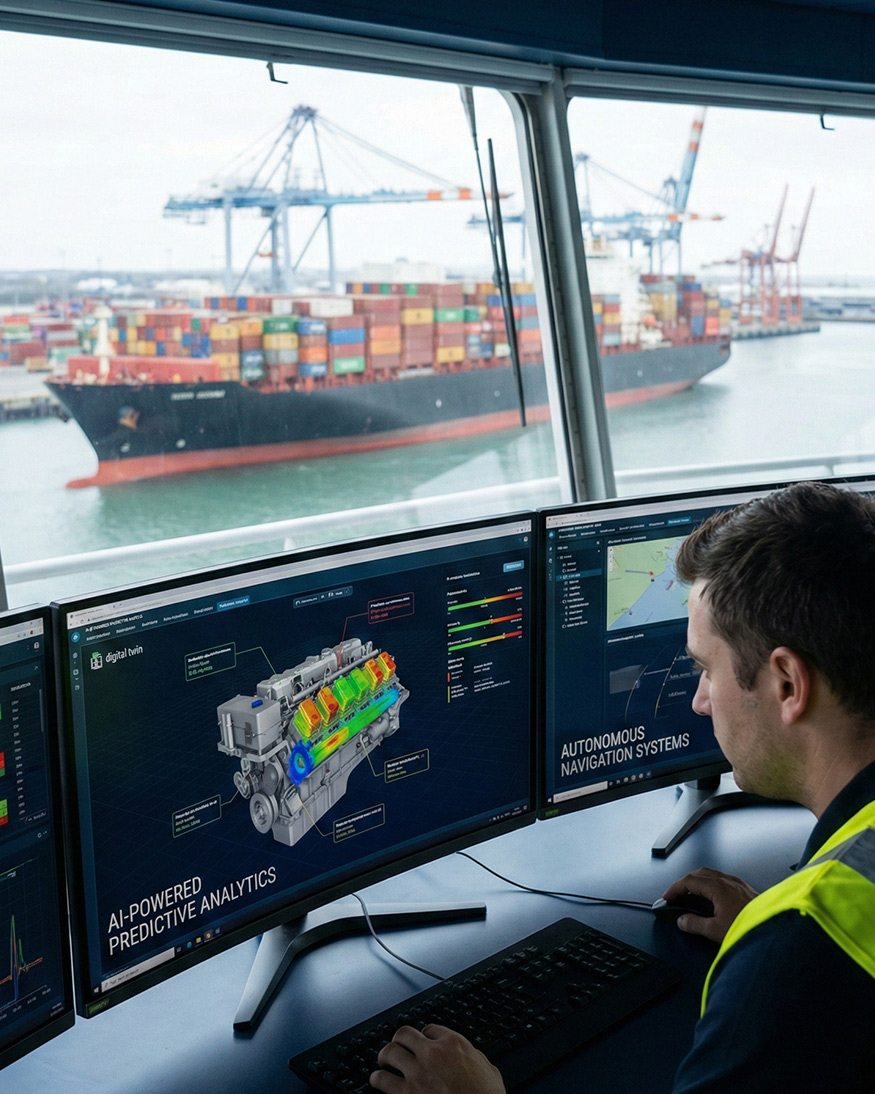
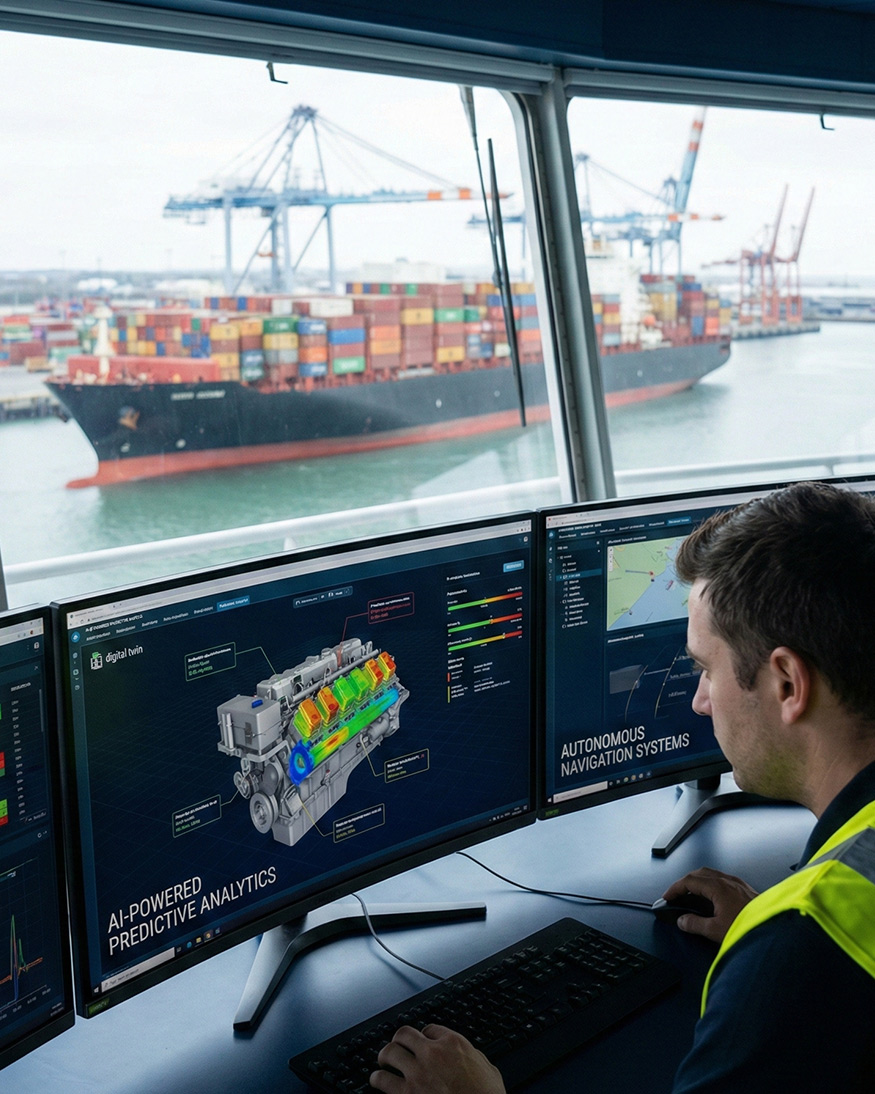
Today, high-frequency sensor data exposes efficiency losses long before crew members sense them. Well-trained AI models predict hull cleaning requirements, flag abnormal consumption patterns, and recommend speed adjustments based on fuel market dynamics and weather windows.
The decision no longer lives in the chief engineer's notebook; it lives inside data models that update with every mile travelled. Hence, data mastery becomes the foundation and competitive advantage resides in insight rather than hardware.
The maritime ecosystem: the imperative for system design
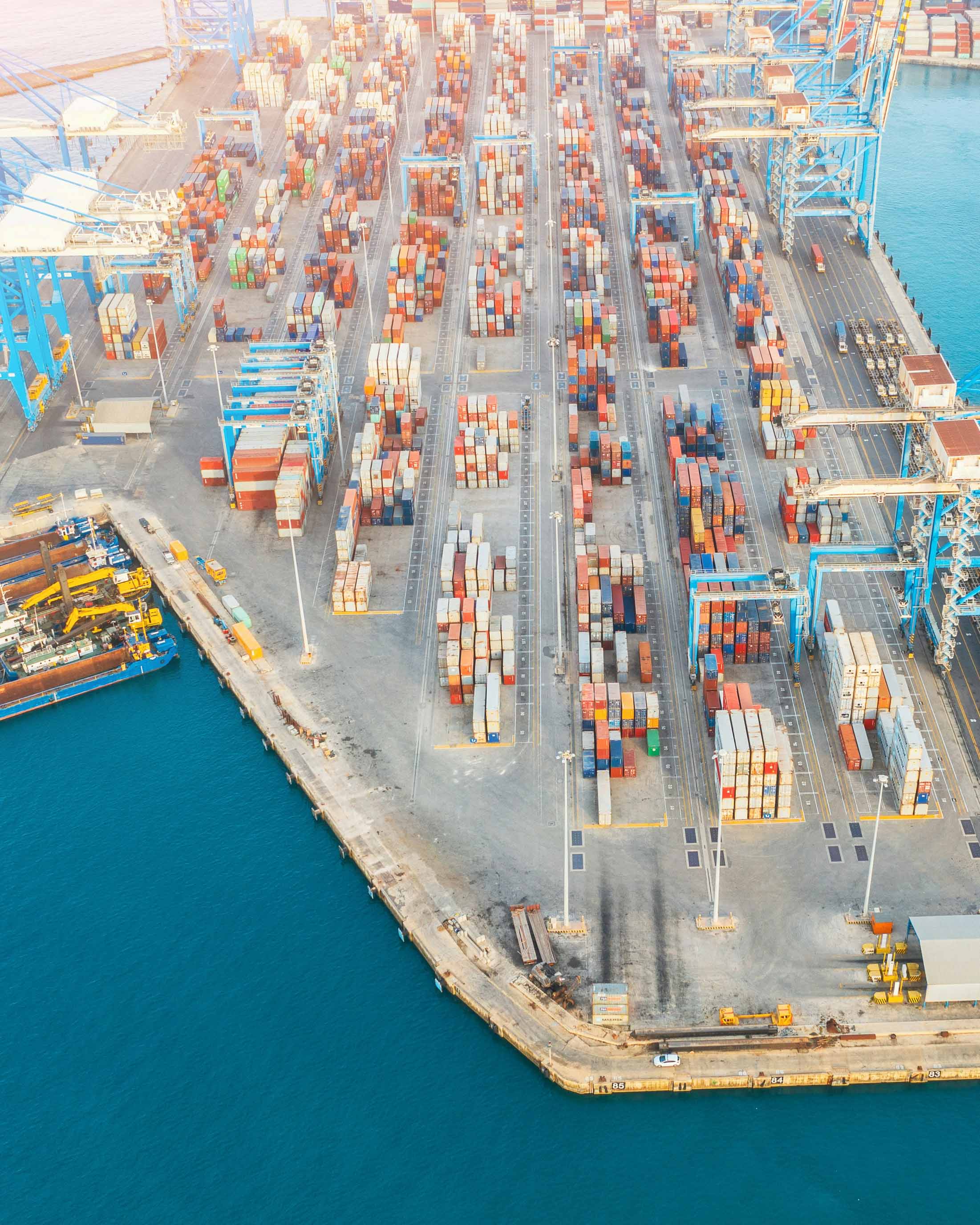
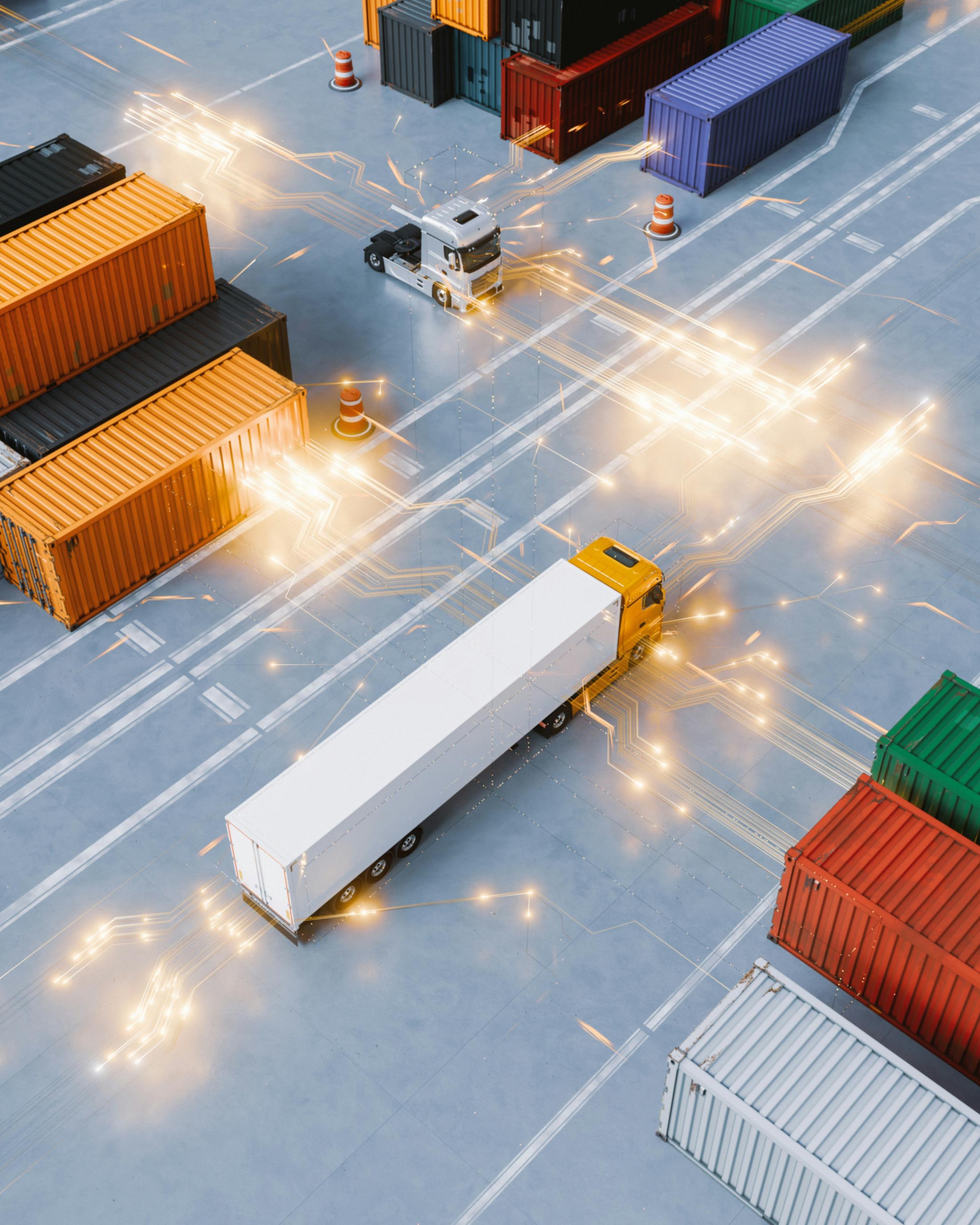
Mastering your own data is an important piece of the winning puzzle. However, it’s only part of the equation. The second ‘2026 challenge’ forces maritime leaders to look beyond their own organizational boundaries. Wy? Because even the most sophisticated internal data infrastructure cannot be utilised to its full potential if it cannot connect to the broader ecosystem required for systemic challenges such as decarbonisation and energy transition.
In 2026, a fragmented approach represents the single greatest risk to future investments. Shipping remains an asset-heavy industry where decisions about vessel acquisition, whether dual-fuel, fully electric, hydrogen, or ammonia-powered, are no longer merely technical choices. They are high-stakes bets on the availability of entire energy ecosystems.
Currently, a lack of coordination is freezing capital. According to the Lloyd's Register Global Maritime Trends 2025 Barometer, regulatory uncertainty is deterring shipowners from making long-term investments, resulting in a "delayed transition" that threatens to derail decarbonisation targets.
We see a classic deadlock: fuel providers hesitate to invest without guaranteed demand, while shipping companies delay fleet upgrades without certainty that fuel will be available at every port. The result is paralysis, with market players watching each other, waiting for a first mover to absorb the risk.

Some companies, however, are actively breaking this deadlock by taking the lead in ecosystem transformation. In December 2025, Odfjell launched the first operational green corridor between Brazil and Europe, a 5,000-nautical-mile route operated with certified sustainable biofuel. What makes this initiative remarkable is not just the fuel switch, but the deliberate orchestration of the entire value chain. As CEO Harald Fotland explains: "We activate the entire value chain to find ways to decarbonize our operations, and we are encouraged that key stakeholders are joining us in this groundbreaking initiative."
The company self-funded the project without subsidies, collaborating with the Ports of Antwerp-Bruges, Rotterdam, and Rio Grande to optimise processes, with fuel providers to secure long-term availability, and with customers to maximise capacity utilisation. As Knut Arild Hareide, CEO of the Norwegian Shipowners' Association, noted: "This initiative is an excellent example of how collaboration between ports, fuel producers, and shipping companies can deliver tangible results that move us forward in the green transition."
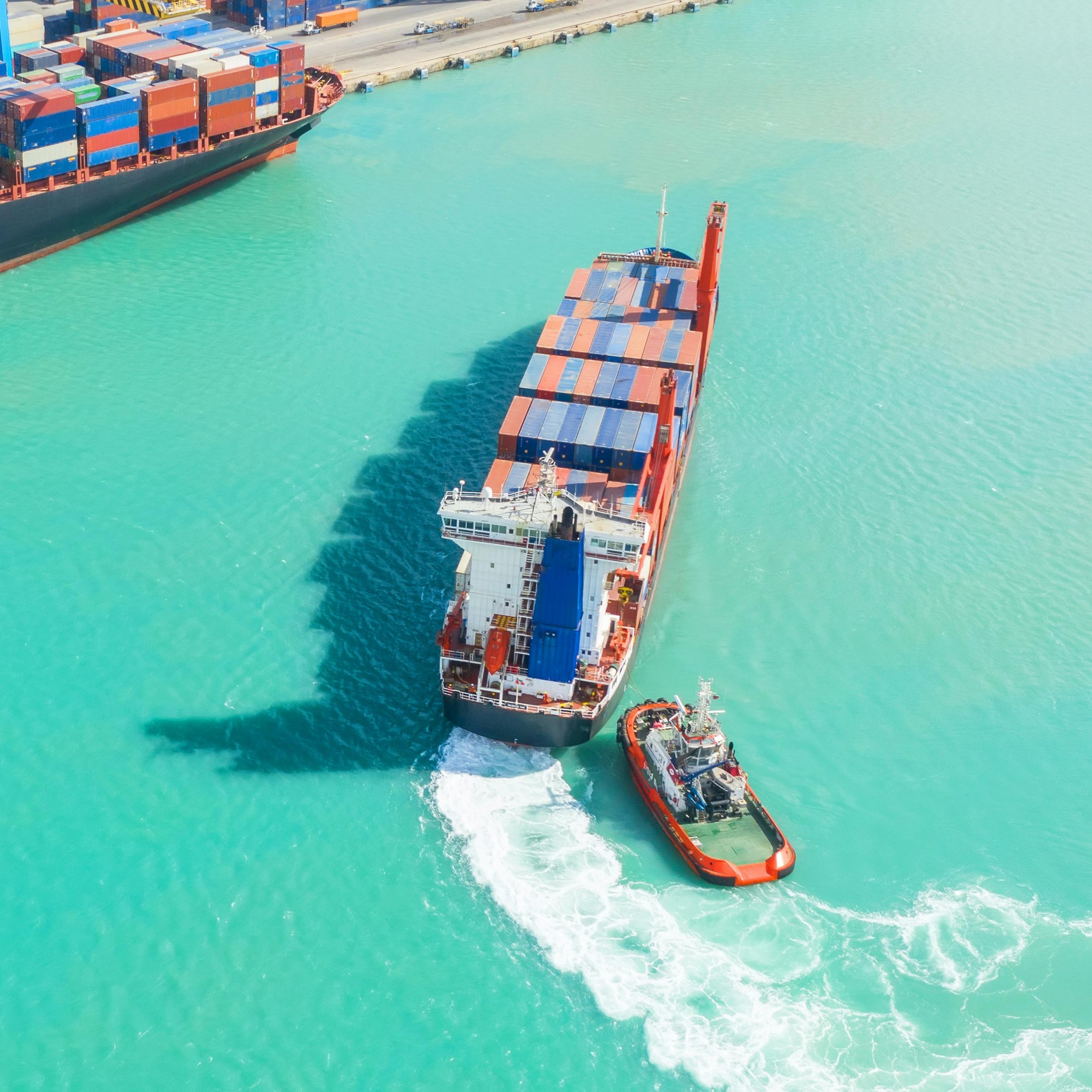
The cost of ignoring this collaboration across the chain is real. Michiel Mol, our Managing Director, recently discussed this reality with a global towage provider. The company had deployed its first fully electric tugboat and placed orders for several more. On paper, it was a triumph of sustainability.
In 2026, the competitive advantage will not go to the company with the best fleet, but to
the company that can best orchestrate the ecosystem around its fleet.
In practice, however, local port infrastructure could not always meet the vessel's charging needs. Even with advanced assets, the absence of system-wide readiness created a bottleneck that turned a flagship vessel into a liability. This illustrates the "shore power" paradox: the solution looks simple (install quayside power), but implementation requires complex coordination between grids, utilities, terminals, and maintenance protocols.
To avoid the stranded asset trap, C-level leaders must fundamentally shift their thinking: design the system before investing in the asset.
Forward-looking maritime companies, like Odfjell, are now mapping entire ecosystems, identifying every actor from ports and terminals to energy providers and service operators before a single keel is laid. They define mitigation strategies and coordinate directly with competitors and partners to ensure infrastructure is ready when the vessel arrives.
This approach transforms investment from isolated risk-taking into strategic system optimisation. In 2026, the competitive advantage will not go to the company with the best secrets, but to the company that can best orchestrate the ecosystem around its fleet.

The rise of thrustworthy AI
With data infrastructure in place and partnerships taking shape across the value chain, a third challenge is about unlocking the full potential of these foundations through intelligent automation. Artificial intelligence is helping the industry interpret complex environments, identify patterns, and automate routine tasks with increasing sophistication.
However, digital innovation in shipping has often been guilty of chasing technological novelty rather than solving fundamental problems. For 2026, focus must shift from pilot purgatory to trustworthy, operational application.
The primary obstacles here are trust and context. Generic AI tools, however powerful they may be in other industries, consistently fail in maritime environments because they lack the operational context that makes recommendations actionable. A route optimisation algorithm trained on general shipping data will miss the specific constraints of a particular trade lane, the unwritten rules of a specific port, or the operational realities of a particular vessel type. When tools deliver recommendations that don't match reality, crews reject them, and the investment ends up overboard.
This is why maritime innovation is a contact sport, as we have written before. Developing effective AI-powered tools for maritime customers requires deep industry expertise from the development partner. Solutions built by teams who understand the difference between a theoretical model and an operational workflow are the ones that actually get adopted. Without that context, even the most sophisticated technology becomes expensive shelfware.
The tools that actually get adopted are built by teams who understand the difference between a theoretical model and an operational workflow. Without that context, the most sophisticated technology just becomes expensive shelfware.
So what should maritime leaders look for when pursuing AI initiatives in 2026? First, resist the temptation to simply automate existing processes. The real opportunity lies not in making current workflows faster, but in reimagining workflows entirely. This means stepping away from how things are done today and designing the ideal workflow from a blank canvas, with AI embedded from the start.
Second, prioritise explainability. A chief engineer will not act on a fuel deviation recommendation if the reasoning behind it remains a black box. The most effective AI tools show their working, keeping humans in the loop to validate and override when needed.
Third, and perhaps most importantly, work with partners who bring both capabilities to the table: system design thinking to envision new workflows, and deep maritime expertise to ensure those workflows match operational reality. The track record of failed digital projects in this industry consistently points to a missing ingredient: either the team understood technology but not shipping, or they understood shipping but lacked the design capability to rethink processes from the ground up. Finding both in one partner is rare, but it is what separates transformation from incremental improvement.
And guess what; if you’re reading this, you already found that partner.



The 2026 flywheel
Data mastery, system design, and trustworthy AI are not separate items on a maritime checklist. They are the gears of an interdependent system where progress in one area accelerates value in the others.
- Data flows enable ecosystem coordination: You cannot orchestrate multi-stakeholder partnerships or green corridors without shared, auditable, and reliable information.
- Ecosystems provide the context for AI: Algorithms fail in a vacuum; they require real-world infrastructure and collaborative frameworks to deliver value beyond the pilot stage.
- AI compounds data value: Machine learning transforms raw operational reporting into predictive intelligence that sharpens with every voyage.
The maritime companies that lead the industry in 10 years from now will have tackled the flywheel of these challenges well. They will have made sure every sensor reading sharpened the next decision, and every digital process compounded into an operational advantage that competitors could not easily copy.
The window to build this foundation now is closing. The organizations that act now will shape the industry's future; those that wait will be shaped by it. 2026 is the year of no return. The only question remaining is whether your organization will arrive there as a passenger, or as a pilot. At Made, we are ready to partner with those who choose the latter.