Executive summary: a shift in the protein landscape.
Antwerp, Belgium – February 13th, 2026
By Chayenne Meers, Product Manager Consumer Products
The protein landscape is changing, but not in the way the industry expected it to. When plant-based products entered the scene, they were supposed to replace meat.
Well, they haven't and they're struggling with a number of issues.
Between those two realities, however, something far more interesting is quickly covering ground: a hybrid category that blends animal and plant protein, and that could grow into a trillion-dollar market by the mid-2030s. Major European retailers are already moving. Consumers are already buying. And the brands that understand ‘why’ will have a significant head start.
In this article, we zoom in on what we, at Made, see happening in this protein landscape and what the unexpected shift means for your next product strategy conversation.
Let's dive in!

.png)
.png)
The facts: a new protein reality.
The assumption behind much of the food industry's innovation over the past decade was quite straightforward: as consumers become more conscious about health and climate, they'll move from animal protein to plant-based protein.
That was the assumption. The data, however, now tells a different story. Globally, several sources indicate that meat consumption isn't slowing down at all.
Driven by population growth, urbanization and rising incomes across the globe, particularly in lower- and middle-income countries, global meat production has more than tripled over the past 50 years, now exceeding 350 million tonnes annually.
Forecasts from the Organisation for Economic Co-operation and Development (OECD) and the Food and Agriculture Organization of the United Nations (FAO) suggest that demand for meat, dairy and eggs will increase by around 14% by 2033, even as consumption in some high-income markets begins to plateau or shift towards poultry.
At the same time, the once-explosive growth of plant-based meat alternatives is losing momentum. In 2024, for example, retail sales of meat alternatives fell by 7% in the US, continuing a downward spiral that already began in 2021.
Categories such as plant-based burgers and sausages are no longer delivering the growth many brands expected. Rising price sensitivity, inflation and growing scepticism towards highly processed foods are all playing a role alongside a simple truth: for many consumers, taste & texture of plant-based meat alternatives is still falling short.
Categories such as plant-based burgers and sausages are no longer delivering the growth many expected. Rising price sensitivity, inflation and growing scepticism towards highly processed foods are all playing a role alongside a simple truth: for many consumers, taste & texture is still falling short.
So, looking at the facts, meat isn't going to fade in the near future and plant-based replacements aren't really taking over the category.
That doesn't mean nothing is changing, though.
What's emerging is a third path: hybrid products that combine animal and plant ingredients in a single product. And this is where the momentum is building. Market projections suggest a CAGR of roughly 9–10% between 2025 and 2034, with the category potentially reaching a value of over USD 1 trillion globally by the mid-2030s.
The early signals are already in the data. According to NielsenIQ, around 15% of meat buyers also purchase meat alternatives, and around 39% of milk buyers purchase both dairy and dairy alternatives.
Flexitarianism, therefore, is no longer a niche mindset. It's actually on its way to becoming a very dominant one.

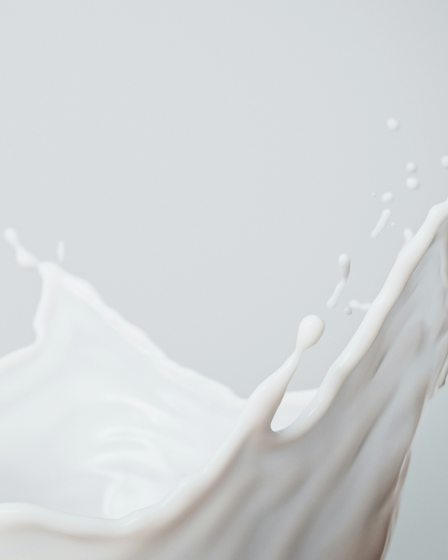
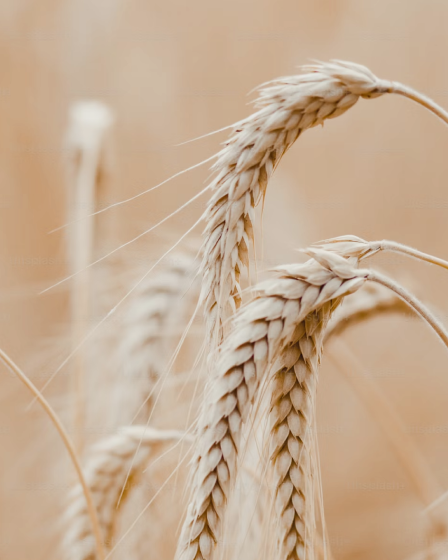
From trend to shelf: retailers are already moving.
The movement towards flexitarianism is already showing up and everyone from Nestlé to Aldi and Disneyland is entering this space.
Let’s zoom in on a few examples in today’s market.
At the end of last year, Albert Heijn launched 15 hybrid products in one go. Not as an experiment, but as a deliberate portfolio expansion. When the Benelux's largest grocery retailer commits shelf space at that scale, it's more a strategic choice rather than a trial run. That's a signal worth paying attention to.
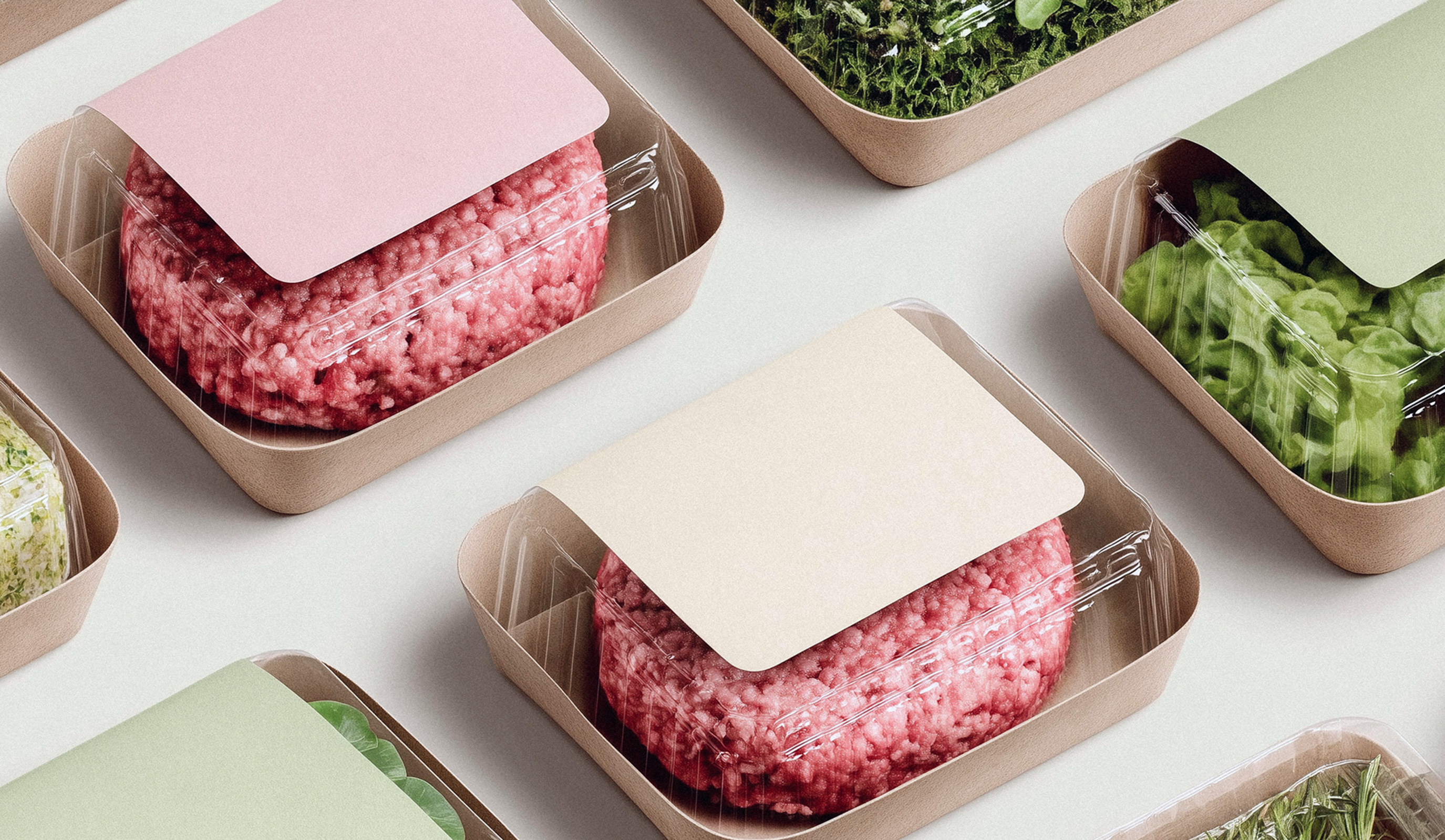
Albert Heijn is not alone in the Benelux. Both Lidl and Colruyt have introduced plant-enriched minced meat (roughly 60% meat, 40% plant protein) positioned squarely as a meat product, not as an alternative. The framing matters: these products don't ask consumers to switch categories. They simply make the existing category a little better.
On the brand side, Both Burger has built its entire identity around the hybrid proposition, explicitly promising "the best of both worlds" and framing the blend as a feature, not a compromise. And in dairy, PlanetDairy is applying the same logic. It’s combining dairy and plant ingredients to deliver familiar taste at a similar price point, with up to 50% lower CO₂ emissions. They've launched milk and cheese, with yoghurt next in line.
.png)
.jpg)
.jpg)
Moving to seafood, where innovation often tends to move slower, early signs are emerging. Vegan Visboer introduced a hybrid salmon product, which is part fish and part plant, designed to lower impact while keeping the eating experience familiar.
But perhaps the most telling signal comes from the other side of the spectrum. Impossible Foods, a company built entirely on the promise of replacing animal protein, has publicly started exploring hybrid territory as (and I quote) “the biggest growth opportunity”.
In June 2025, CEO Peter McGuinness told the Wall Street Journal that capturing flexitarians, i.e. people whose diet only occasionally includes meat, could quadruple the company's revenue, and floated the idea of a 50/50 beef-and-plant burger to "get the category going."
When one of the world's most prominent plant-based brands begins to consider blending in animal protein, it signals something fundamental: the market is no longer moving towards one extreme or the other. It's converging in the middle.
When one of the world's most prominent plant-based brands begins to consider blending in animal protein, it signals something fundamental: the market is no longer moving towards one extreme or the other. It's converging in the middle.
Across categories and across strategic starting points, whether from the meat side or the plant side, the pattern we’re seeing at Made is the same: meet consumers where they are, start with what they already know and love, then make it incrementally better. On health. On sustainability. On cost. Without asking anyone to change their habits.
.png)
What this really tells us about consumers.
Yes, hybrid meat is interesting as a product trend. However, it’s even far more revealing as a window into evolving consumer psychology.
Consumers today have a hard time choosing between indulgence and responsibility. They want products that deliver sensory satisfaction and emotional comfort, while also supporting everyday wellness goals. This shift is reflected in what analysts call the permissible indulgence trend, a move toward foods that feel indulgent and better-for-you, rather than purely hedonistic or overly restrictive.
Behavioral research backs this up: when consumers perceive a product as not conflicting with their health goals, for example combining taste and wellness cues, they are more likely to choose it even at a higher price, because it aligns with both pleasure and health aspirations.
Asking consumers to sacrifice taste, familiarity or pleasure in exchange for abstract benefits like sustainability has always been a hard sell. And the stalling growth of pure plant-based alternatives is, in many ways, proof of exactly that.
Almost half of consumers (48%) now weigh healthiness, sustainability and naturalness simultaneously without trading one benefit for another, indicating that multidimensional value criteria are guiding purchase decisions.
And it shows up at the industry level too; food and beverage product launches bearing health-related claims have grown at a measurable pace, signalling a lasting shift in what consumers expect from new foods: taste that feels familiar + benefits they care about.
In other words, the typical consumer is looking for was to avoid questions like “What do I have to give up?”. They’re looking for answers to the question “How can this be better and still be delicious?”. Hybrid products answer exactly that question. They let people feel good about eating well without sacrificing the sensory rewards that drive purchase decisions.

What's next: hybrid thinking beyond meat.
If the logic of hybridity works for meat, and the market data suggests it does, there's no reason for it to stop there. Any food category where consumers face an implicit trade-off between indulgence and responsibility is a candidate for hybridity.
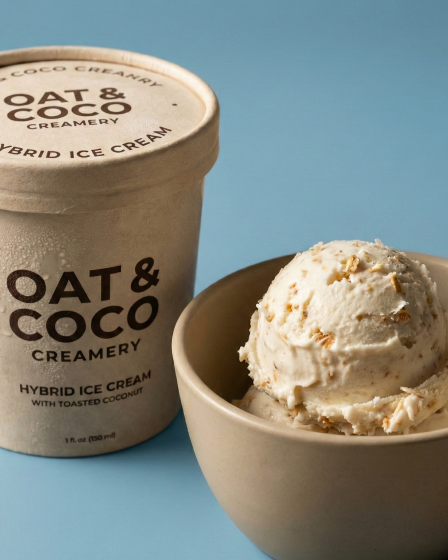
Consider frozen desserts. A hybrid ice cream that blends real cream with oat or coconut-based ingredients could deliver the texture and richness people expect, with lower fat content and a stronger nutritional profile. The technology exists. The consumer desire for healthier indulgence is well-documented. What's missing is a brand willing to own that positioning at scale.
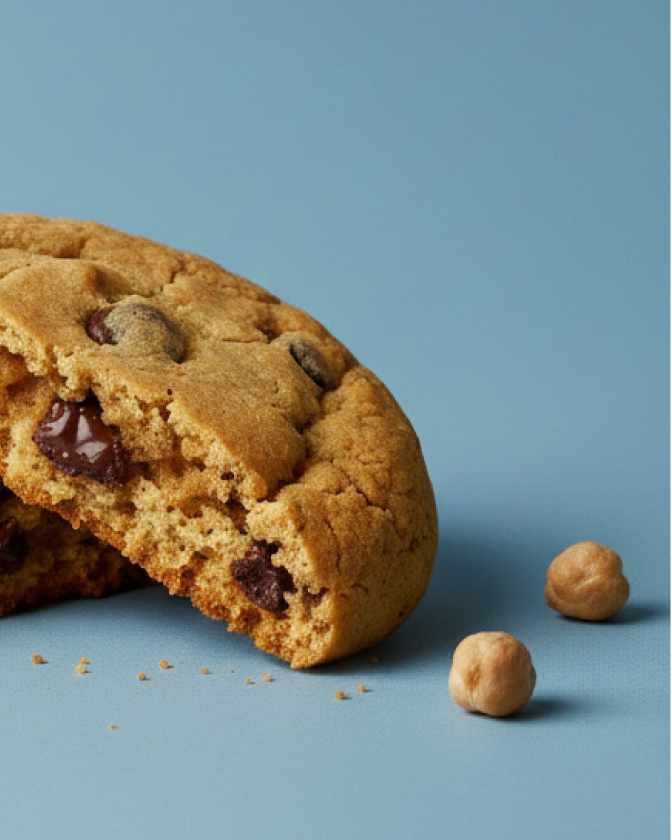
The same logic applies to bakery. Imagine a croissant or a cookie that blends butter with plant-based fats and enriches the dough with pea protein: still rich, still indulgent, but with fewer saturated fats and a strong sustainability story to tell. For a category built on pleasure, hybridity offers a way to evolve without undermining what makes these products desirable in the first place.
Butter and spreads are perhaps the most obvious next frontier. Traditional butter enriched with avocado oil, olive oil or seed oils can reduce saturated fat while maintaining familiar performance in cooking and baking. It's a small shift on the product side, but it opens the door to health and sustainability claims that are difficult to make with conventional butter alone.
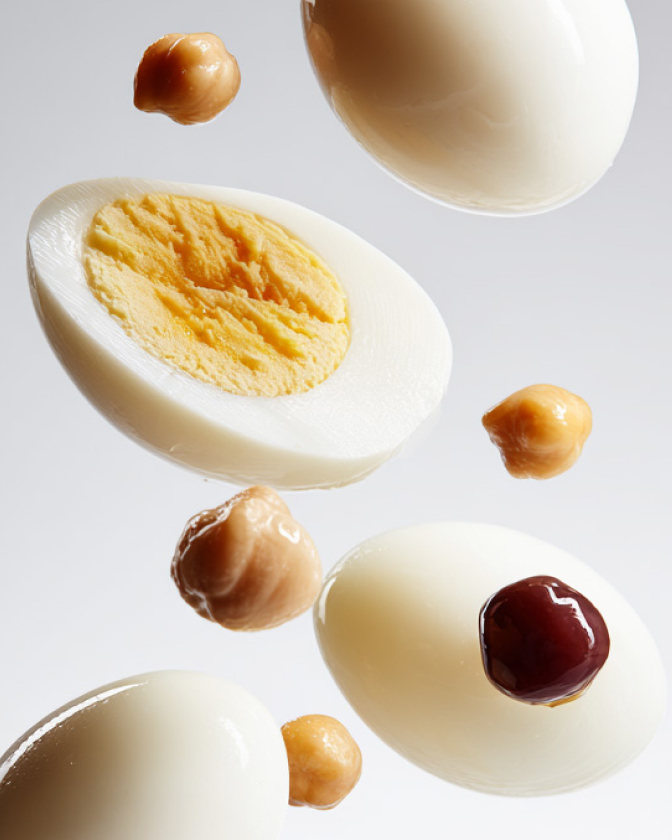
And then there's the broader world of sauces, dressings and dips which are all categories where dairy, eggs and plant-based ingredients already coexist, but where nobody has deliberately reframed the combination as a hybrid benefit.
Take for instance a half-egg mayonnaise with aquafaba, a creamy ranch that blends plant oils with buttermilk; these aren't radical innovations. They're logical evolutions of products people already use daily.
In all of these categories, the opportunity is the same: upgrade the everyday without asking consumers to entirely relearn their habits. The brands that move first into this space will define the category in the future. The ones that wait will find themselves responding to someone else's playbook.
The strategic question for food brands.
The shift towards hybridity is a product development challenge. But at the same time, it could be considered as a positioning challenge as well.
At Made, we believe that the brands that will win in this space are the ones that get the framing right from the start. That means understanding what ratio of animal to plant ingredients delivers the best balance of taste, texture, cost and environmental impact. And knowing that the answer will be different for every category and every consumer segment.
It means being able to tell a story where hybridity is the feature, not the compromise, so that consumers feel they're choosing something better, not settling for something less. And it means simplifying choices rather than adding complexity, because the moment a hybrid product requires explanation, it's already losing.
These are the kinds of questions that sit at the intersection of product strategy, consumer insight and brand positioning within the food industry.
At Made, this is where we work. We help food brands navigate the space between what consumers say they want and what they actually buy, and we turn that understanding into meaningful products and strategies that actually perform in the market.
The future of food isn't plant or animal. It's both. The question is whether your brand will shape that future or follow it.