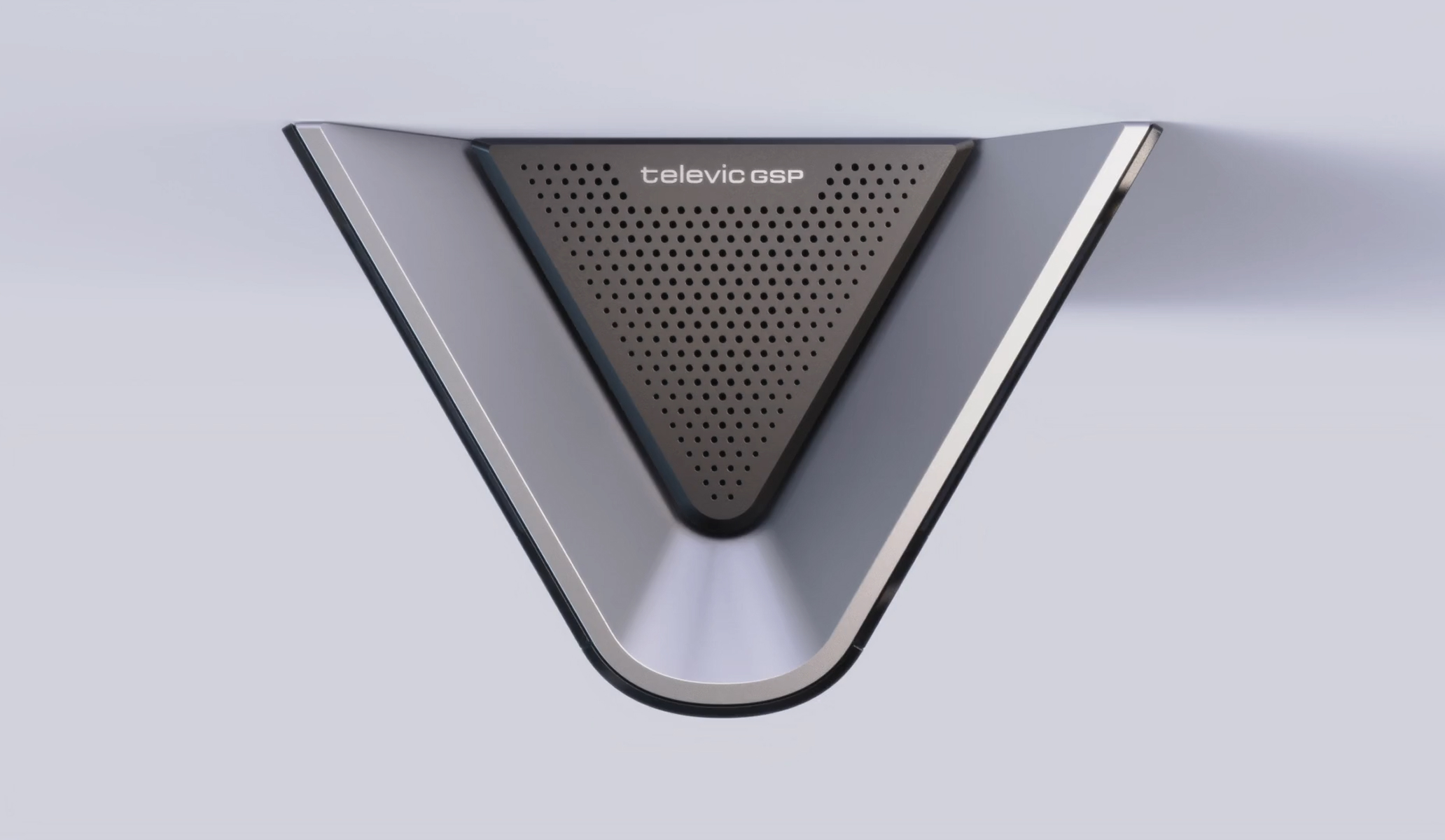
Challenge
Stepping up in the railway value chain.
Televic is an international company specialized in innovative communication technology. The company is dedicated to four markets, including ‘rail transportation’ where Televic offers innovative and reliable passenger information systems (PIS) under the brand name ‘Televic GSP’.
As a manufacturer of in-carriage displays, Televic GSP was traditionally dependent on the specific design requests and rigid tender demands of railway vehicle manufacturers. However, this reactive and defensive position limited their ability to make a name for themselves by innovating independently.
Hence, the challenge was twofold.
On the one hand, Televic GSP needed to step forward in the rail value chain by offering their own state-of-the-art, modular PIS solution that required minimal adaptation for clients.
On the other, the design of the new PIS had to solve a core transit pain point: providing imperative visual information (e.g. schedules, real-time data, entertainment) in a way that feels seamless and reduces travel uncertainty on the passenger side during high-traffic moments.
Enter Made.
Impact
An improved passenger experience.
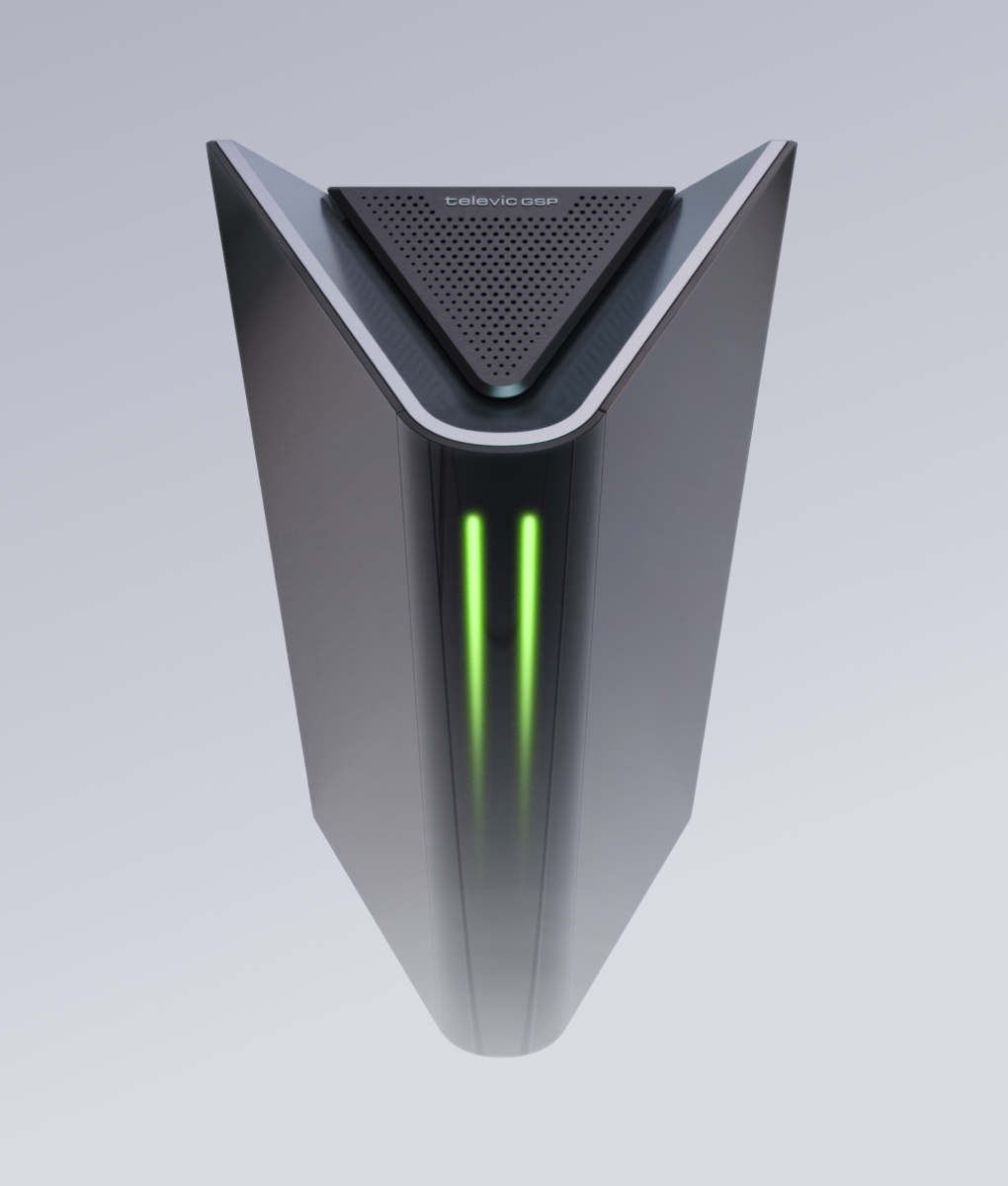
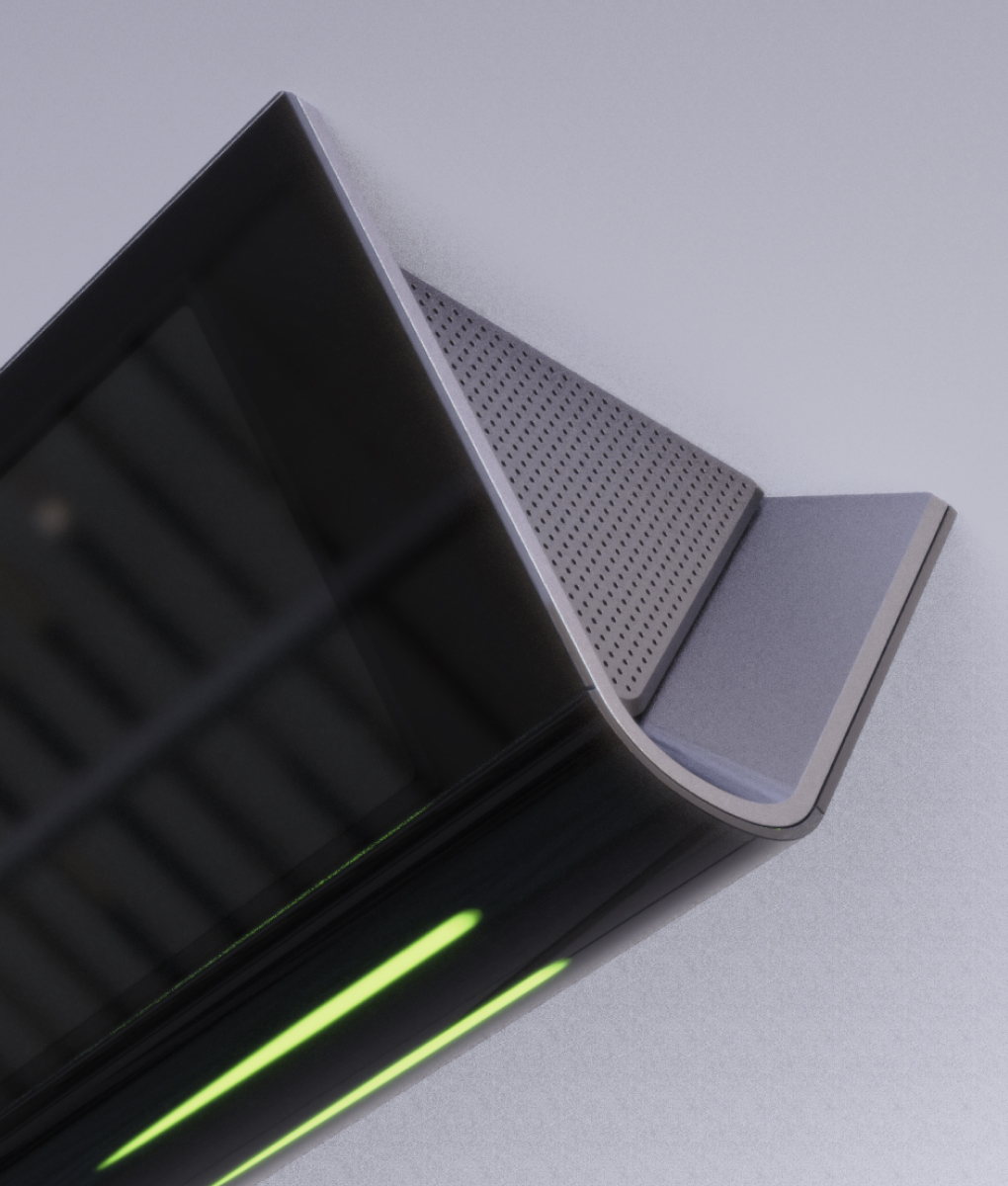
The introduction of the Bend concept has empowered Televic GSP to lead the conversation with their clients. By offering a pre-designed and high-end product, Televic GSP have significantly shortened the journey from tender to integration.
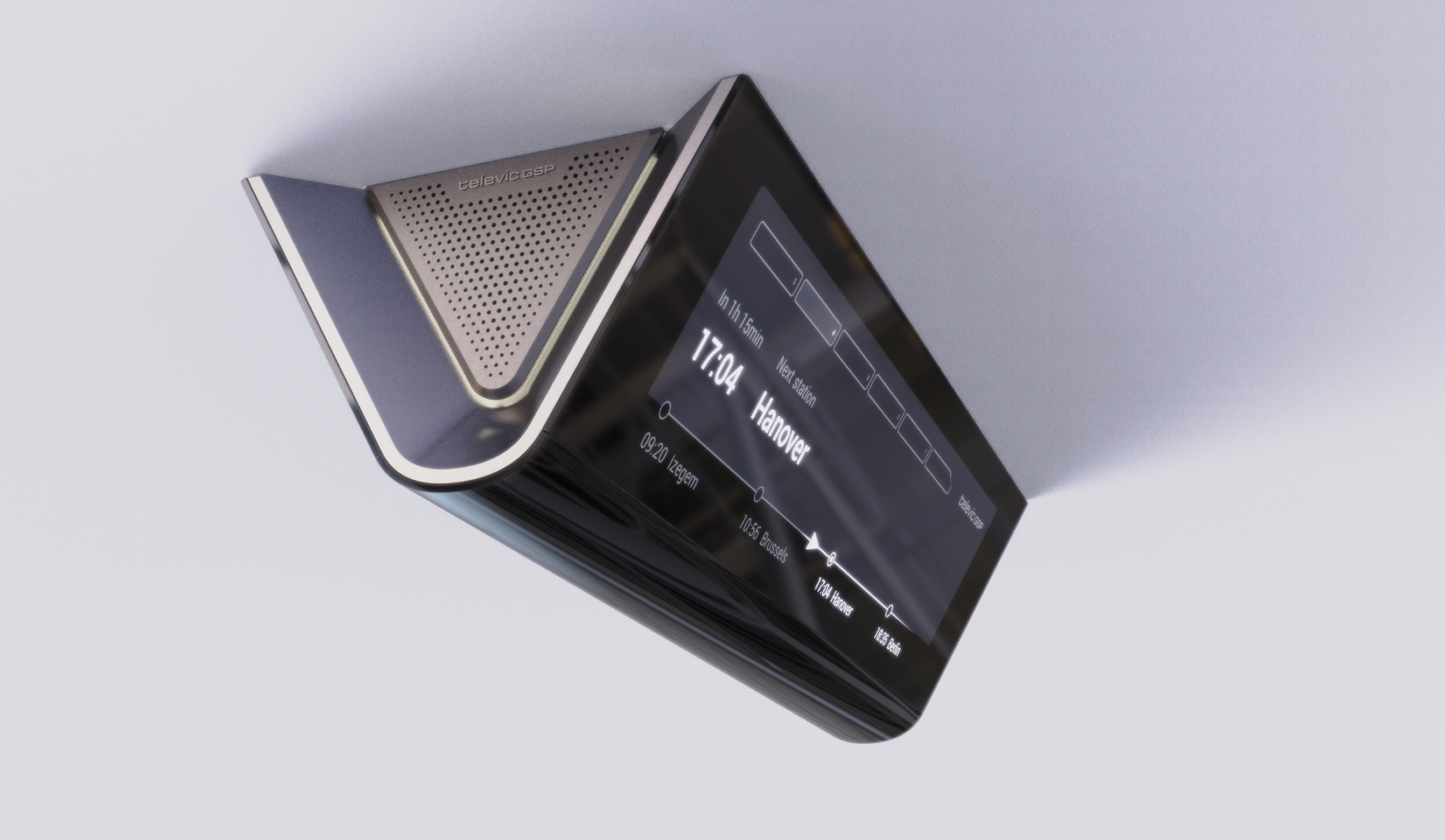
For the end-user, the impact is a "phygital" harmony that transforms the passenger experience. The display doesn't just show data. It "nudges" behavior by synchronizing the digital interface with physical green and red light indicators. Hence, the system guides passengers toward the correct exit before the train even comes to a standstill. This maximizes on- and off-boarding efficiency and improves the overall accessibility of public transportation.
Approach
Moving van behavioral research to phygital prototyping.
The process of improving the passenger experience through an innovative passenger information system was rooted in moving adequately from deep behavioral research to a physical working prototype within a tight nine-month window.
Research & Personas: the transit context was analyzed meticulously, while user personas were defined to understand precisely how passengers interact with information in a moving environment.
CAD Fidelity: to ensure an efficient workflow and rapid decision-making, we utilized high-fidelity CAD visualizations. This allowed us to stay on track with the project scope while refining the modular nature of the hardware.
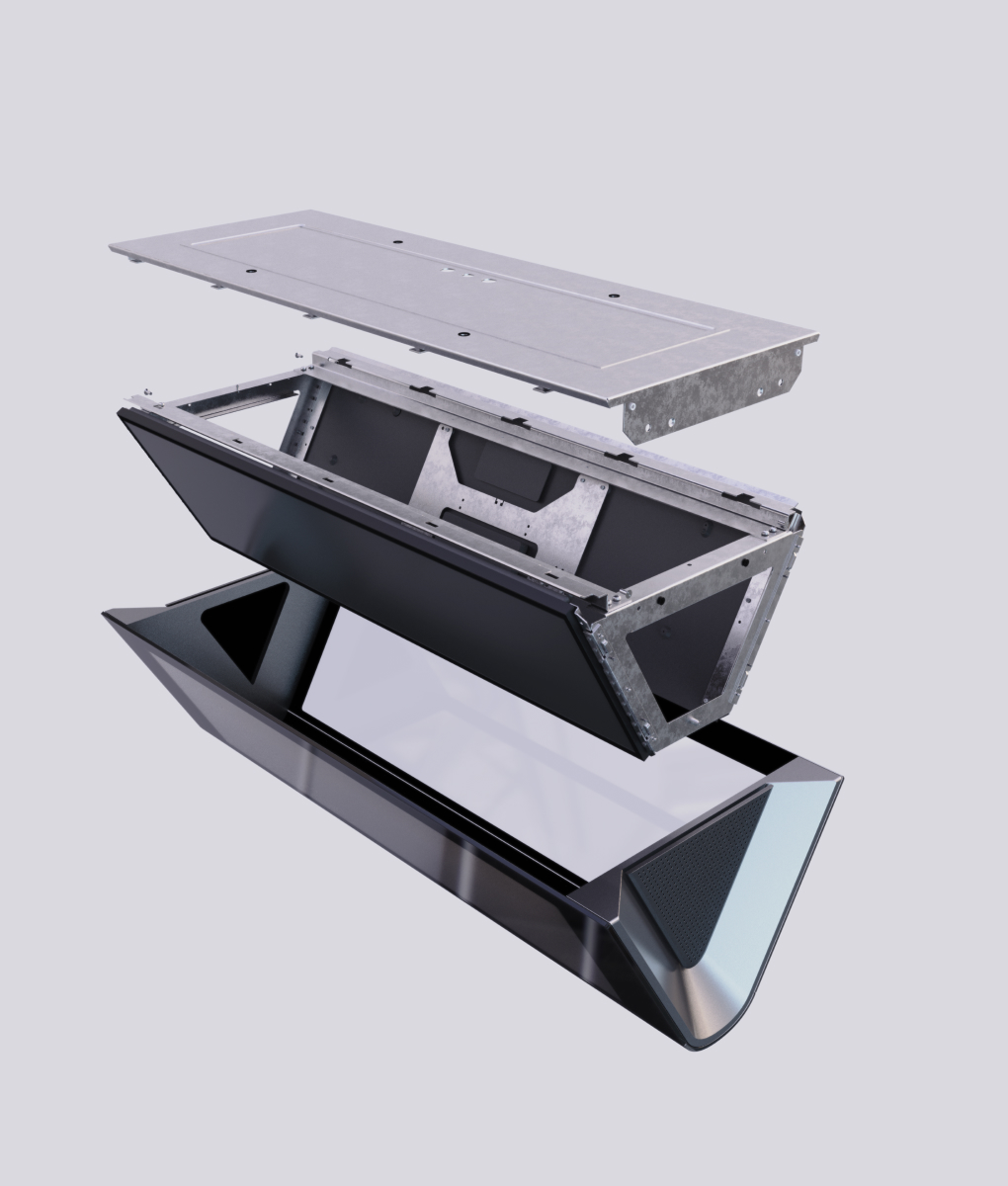
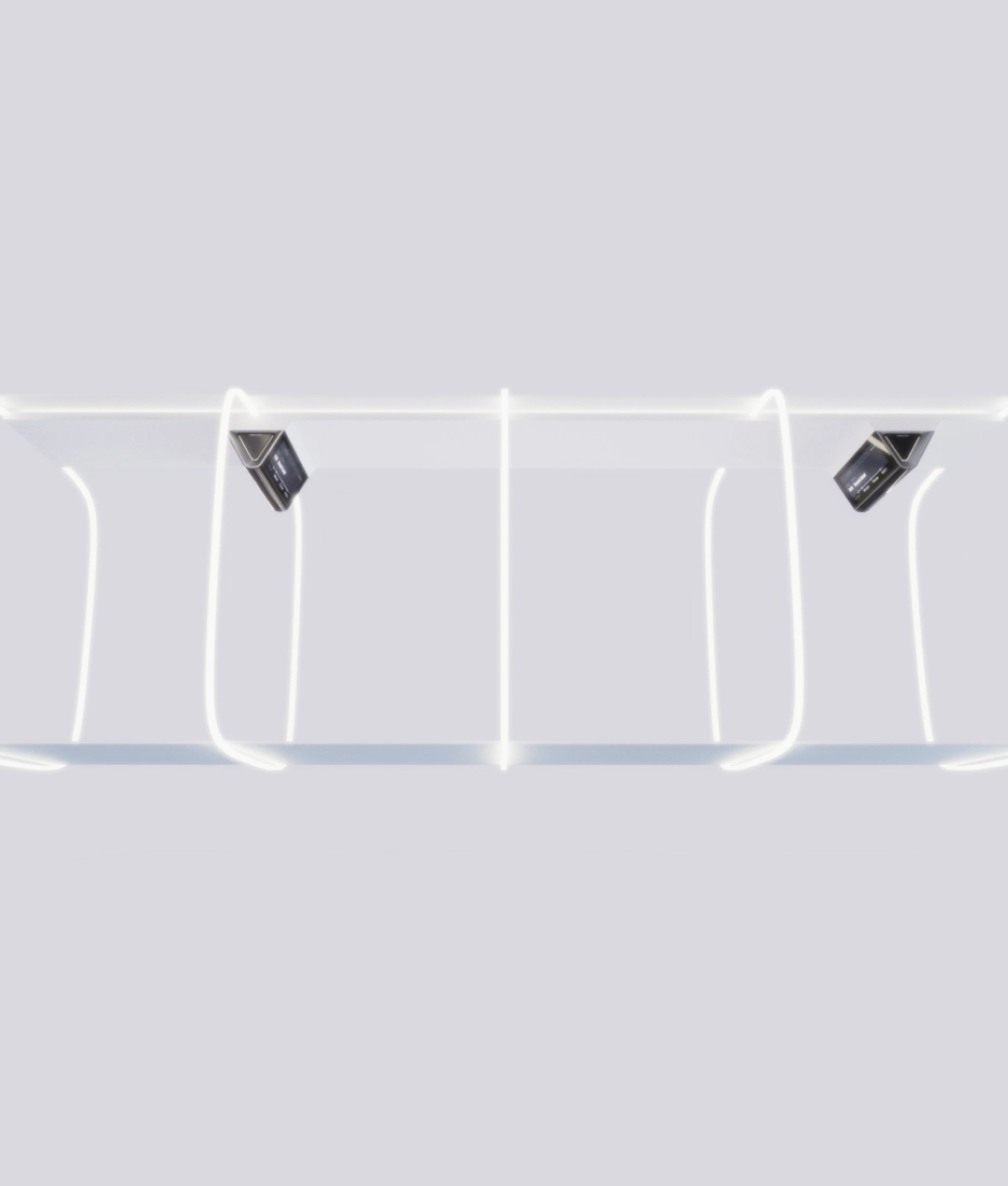
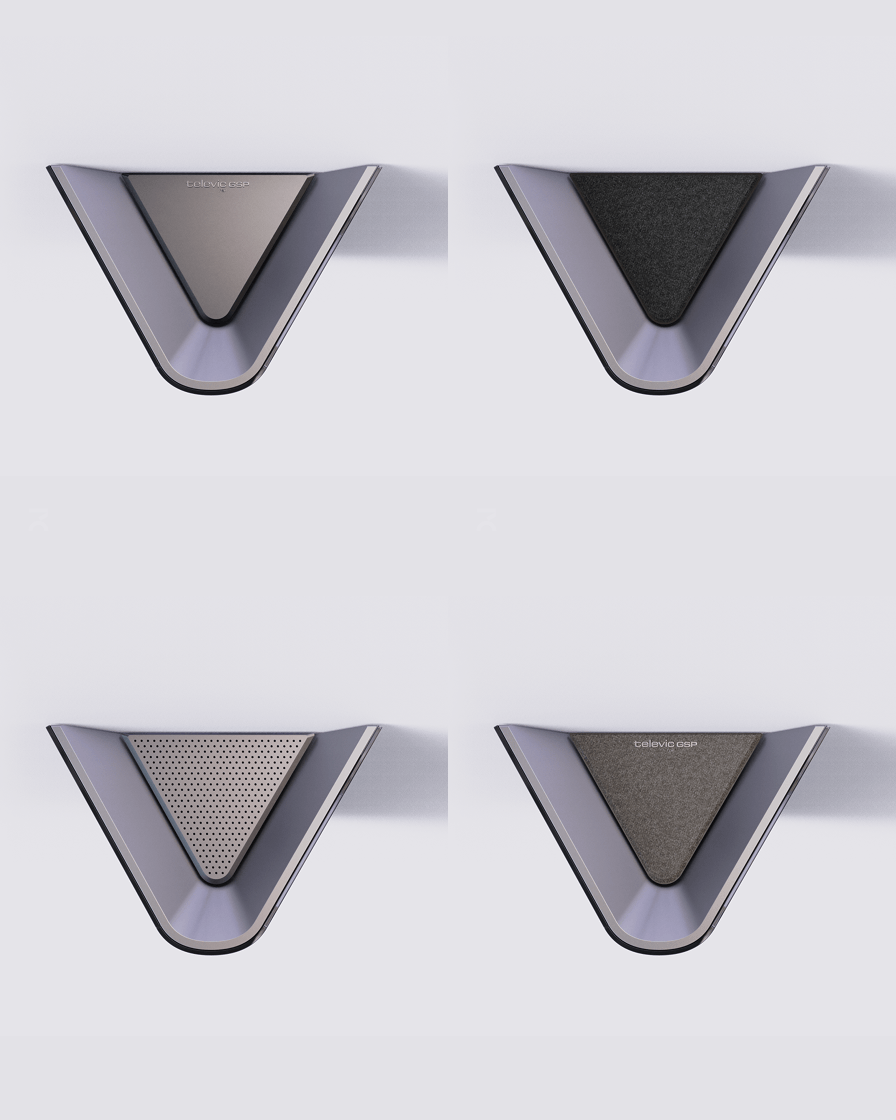
Phygital Integration: we focused heavily on the "mask design" of the UI, ensuring it flowed seamlessly into the physical housing. This ensured that the digital and physical touchpoints supported each other rather than competing for attention.
Prototyping: after a final design freeze, Made oversaw the complete mechanical design and prototype construction. By managing the transition from concept to physical prototype, we safeguarded the design intent and ensured that the final hardware lived up to the innovative digital vision.

.gif)