From dashboard to deep impact: why Made is hacking for the ocean
On May 9th, Made joins the Go Ocean Impact Hackathon in Brussels: a one-day event organised by Go Ocean and Blue Tomorrow that challenges participants to design a digital platform capable of turning ocean restoration data into a tangible, engaging experience for funders, companies, and individuals.
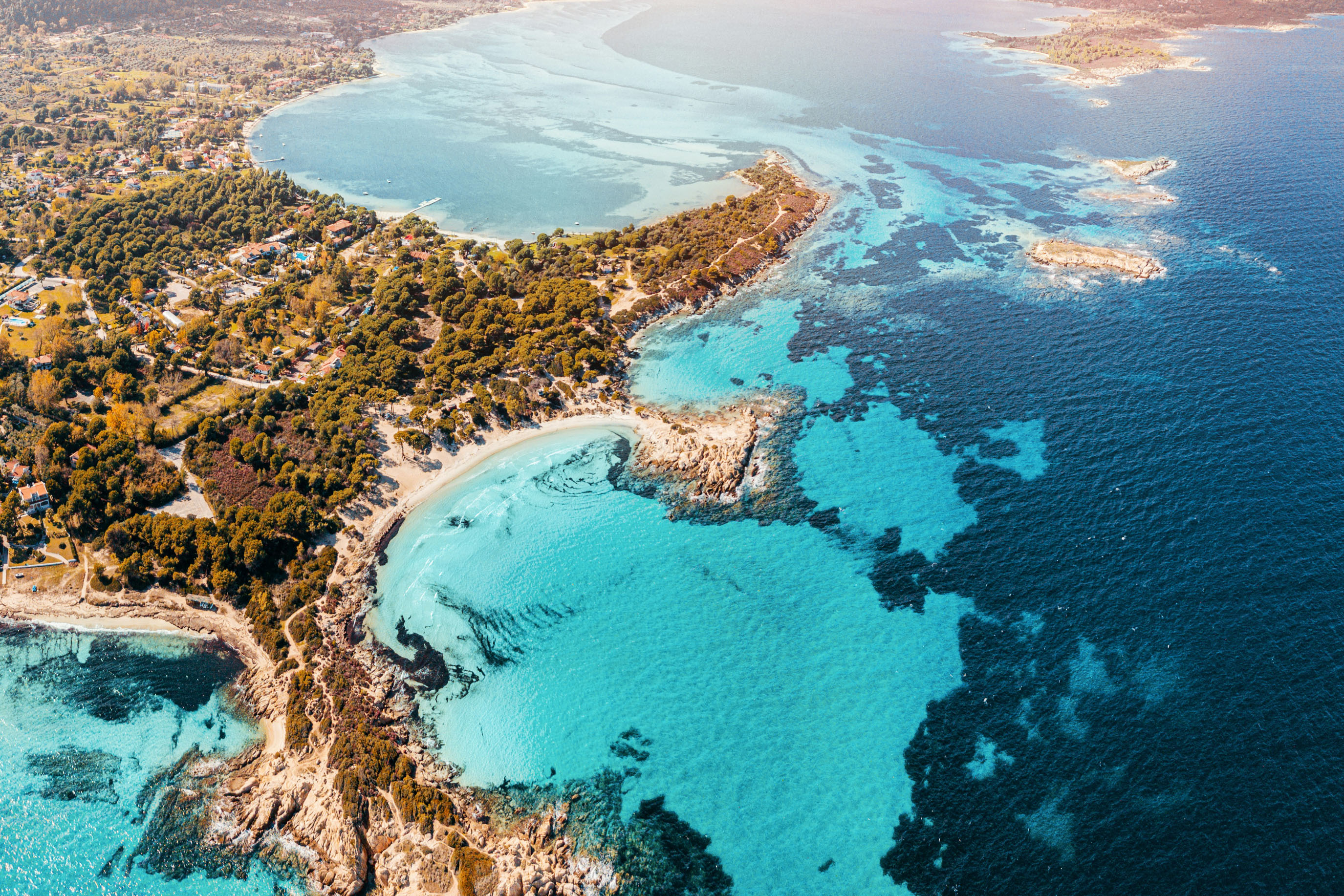
Go Ocean Impact Hackathon 2026.
Antwerp, Belgium - March 30th, 2026
On May 9th, Made joins the Go Ocean Impact Hackathon in Brussels: a one-day event organized by Go Ocean and Blue Tomorrow that challenges participants to design a digital platform capable of turning ocean restoration data into a tangible, engaging experience for funders, companies, and individuals.
Ocean restoration: not a single-company problem.
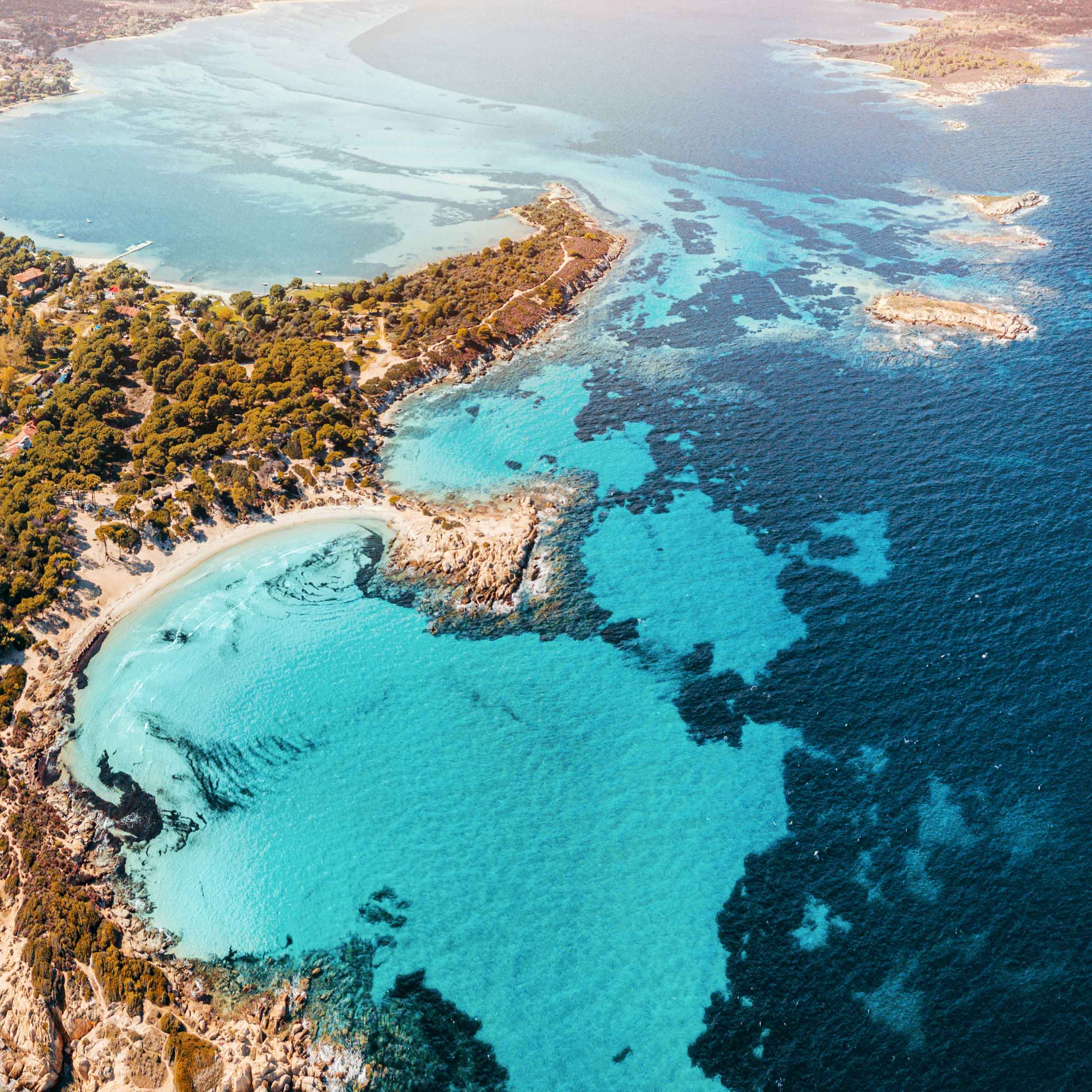
Oceans cover more than 70% of the earth's surface and account for over 90% of the planet's habitable space. They supply roughly half the oxygen we breathe, absorb a quarter of our carbon dioxide emissions, and sustain fisheries and aquaculture systems that hundreds of millions of people depend on for food and income.
Marine ecosystems are, by any measure, critical infrastructure for life on earth. Yet they are under mounting pressure from pollution, overfishing, and rising temperatures, and the response so far has not matched the scale of the problem.
There are companies, foundations, and individuals out there who would support ocean restoration if only they could see the problem and the accessible solutions. This hackathon is about opening that road.
Part of the reason is that ocean restoration is not a single-company problem. It’s a systemic matter. Restoring coastlines, rehabilitating coral reefs, and protecting marine wildlife habitat requires coordination between scientists, technology providers, funders, policymakers, and communities on the ground. No single organization holds all the knowledge, all the resources, or all the relationships needed to make it work. Progress depends on designing the conditions under which multiple players can move together.
That framing is exactly why Made is joining the Go Ocean Impact Hackathon, organized by Go Ocean and Blue Tomorrow, a Belgian NGO dedicated to conserving and restoring marine ecosystems through technology and community action.
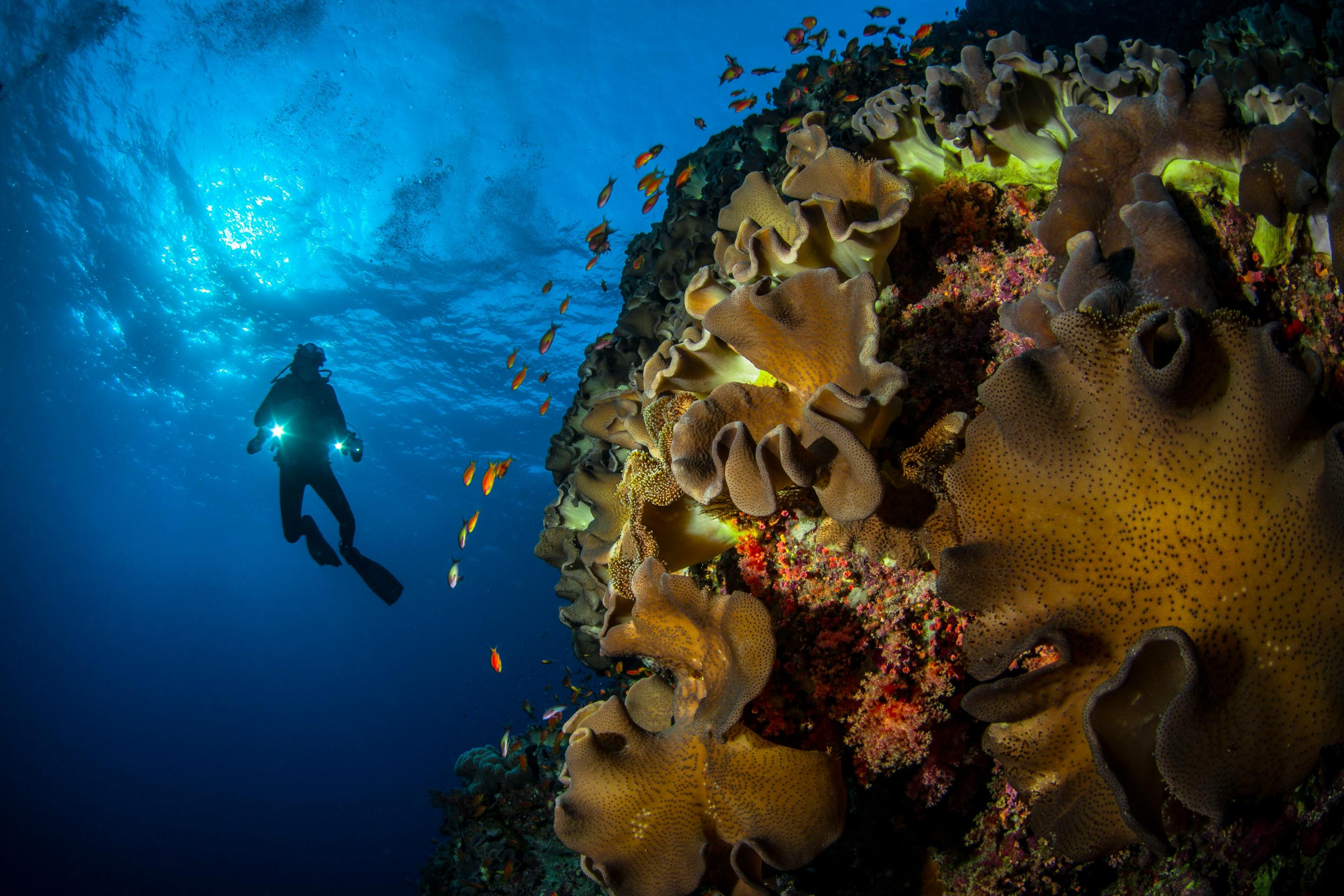
The challenge: making ocean restoration tangible.
Go Ocean already operates restoration projects worldwide, from coral reef rehabilitation and seagrass recovery to mangrove reforestation and species monitoring. The organization has built a substantial base of field assets and data, which currently flows to clients and stakeholders through an impact platform built around three pillars: sustainability, brand, and philanthropy.
But Go Ocean believes that platform can do far more. Therefore, the central challenge of the hackathon is to design a digital experience that educates, activates, and entertains its users while accelerating the restoration of marine and coastal ecosystems. The key word here is tangible.
The central challenge of the hackathon is to design a digital experience that educates, activates, and entertains its users while accelerating the restoration of marine and coastal ecosystems.
Ocean restoration today often remains abstract for the companies, funds, and individuals who could support it. Data sits in dashboards. Progress is communicated in reports. The connection between a euro invested and a reef restored is real, but it does not feel real. The hackathon asks participants to change that: design an ocean impact acceleration platform that closes the gap between data and felt experience.
"We have the restoration projects, the geolocations, the underwater footage, and the biodiversity data. The building blocks are there. What we need now is a digital experience that uses all of this to make people feel something, make them care, and make them act. There are companies, foundations, and individuals out there who would support ocean restoration if only they could see the problem and the accessible solutions. This hackathon is about opening that road," says Marte Greefs, co-founder of Go Ocean.
Meaningful transitions across a full value chain only happen when viable, scalable solutions exist for every stakeholder in the chain. If innovators lack in-depth industry knowledge and therefore design a commercial model that does not work for every player in the value chain, the most elegant software in the world will not scale. Ocean restoration is exactly that kind of challenge.
Why Made is at the table.
Most innovation happens within the boundaries of a single company. At Made, however, we have long argued that the most meaningful innovation challenges of our time sit between organisations, not within them. That’s why Made is dedicated to driving innovation in a vast number of industries, one of which is maritime.
"Meaningful transitions across a full value chain only happen when viable, scalable solutions exist for every stakeholder in the chain. Not just the one sitting across the table from you," says Made’s Strategy Lead Heitor Varvaki. "If innovators lack in-depth industry knowledge and therefore design a commercial model that does not work for every player in that chain, the most elegant software in the world will not scale."
Ocean restoration is exactly that kind of challenge. A platform that works for Go Ocean but does not resonate with a corporate funder, or that excites donors but cannot integrate with field data collection, is dead on arrival. Scientists, funders, field operators, and end users all need to see themselves in the solution.
As an end-to-end studio, we can take a concept from strategy through product design to digital development, ensuring that the business logic, the user experience, and the technical architecture reinforce each other from the start.
As a global innovation studio with +15 years of expertise in maritime innovation and sustainability, Made brings both the domain knowledge and the end-to-end design capability this challenge demands.
“We understand the maritime ecosystem from the inside, having worked with classification societies, port operators, and shipping companies on digital transformation and sustainability initiatives. And as an end-to-end studio, we can take a concept from strategy through product design to digital development, ensuring that the business logic, the user experience, and the technical architecture reinforce each other from the start”, says Heitor.
Join the hackathon.
The hackathon welcomes participants from all backgrounds: marine biologists and ecologists, communication and human behaviour specialists, developers and IT professionals, and business strategists. Both students and non-students are encouraged to join, because broadening the range of perspectives is exactly what a challenge like this needs.
Join us on 9 May in Brussels for a full day of collaborative problem-solving. The event runs from 10:00 to 16:00 at Silversquare Central, Cantersteen 47. No prior experience in marine science is required; just a willingness to think creatively about how technology and design can drive real ocean impact.
Sign up here and help us turn ocean data into ocean action.
For questions, reach out to info@goocean.be.