.jpg)
Challenge
Shaping a product portfolio of car accessories in the EV era.
Since 1991, Honda Access Europe has developed accessories for Honda vehicles across Europe, from floor carpets and towing bars to alloy wheels, roof rails, protection parts and aero parts. For more than three decades, that portfolio has been engineered around combustion engines.
Electrification puts that rulebook under review.
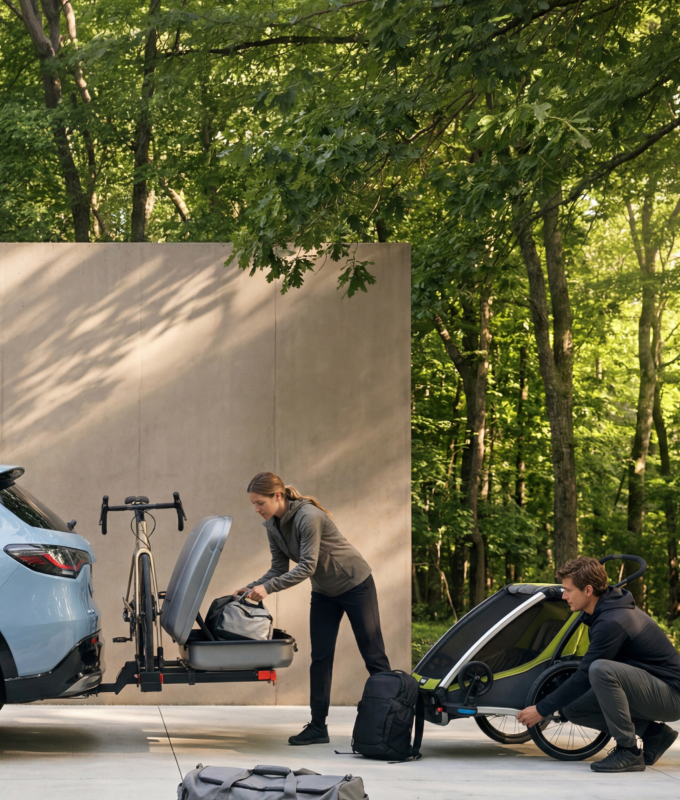
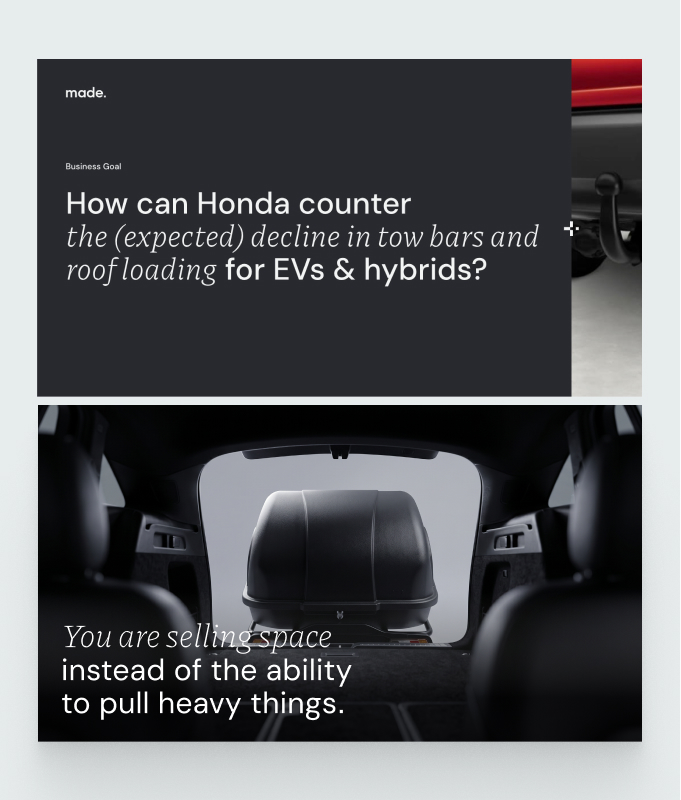
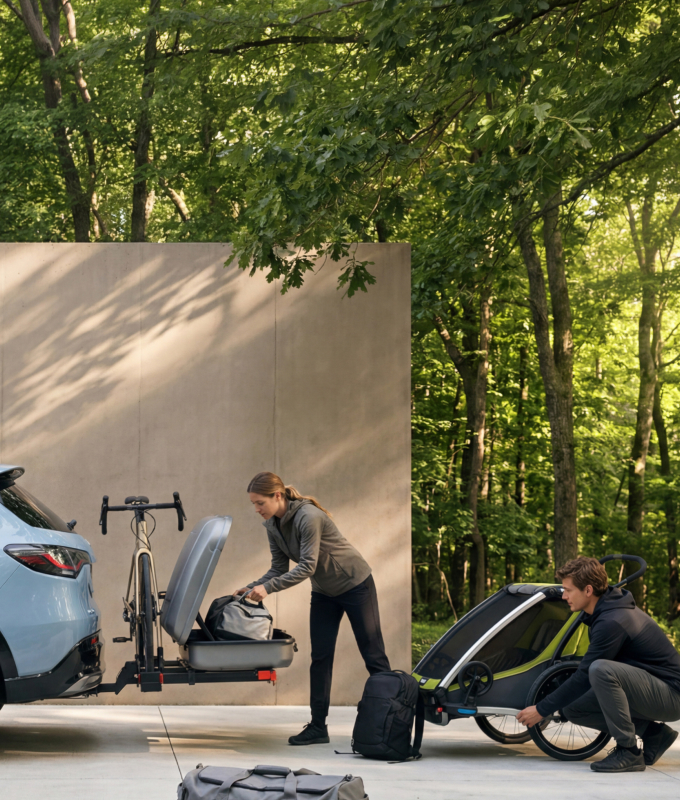
Electrical vehicles (EV) behave differently compared to combustion models. Range is finite, total weight bites, and aerodynamics matter in ways they never quite did before. Consequently, accessories like towing bars and roof rails, built to transport additional load, could easily become the villain of the battery graph. Especially in caravan-loving markets such as Belgium, the Netherlands, the UK, Germany and France, towing heavy loads risks turning into a genuine adoption hurdle rather than a selling point.
Therefore, Honda Access Europe needed an objective, evidence-based view of how European consumers actually behave in this new context. The Belgium-based headquarters wanted proof of real consumer behavior and preferences from real people in real markets, decoded into the needs, tensions, and future opportunities that should shape the next wave of product, communication, and portfolio decisions.
Enter Made.
Impact
Actionable insights to work with on different levels.
Profound market intelligence and foresight work have equipped Honda Access Europe with a clearly framed set of opportunity spaces for the EV era, validated against real consumer behavior and ready to prioritize with confidence.
Some findings confirmed Honda's internal assumptions. Others surprised the team and have opened up potential competitive advantages for the years ahead. Together, they map onto a classic short term (H1), mid term (H2) and long term (H3) action plan that Honda Access Europe is now activating across the business.

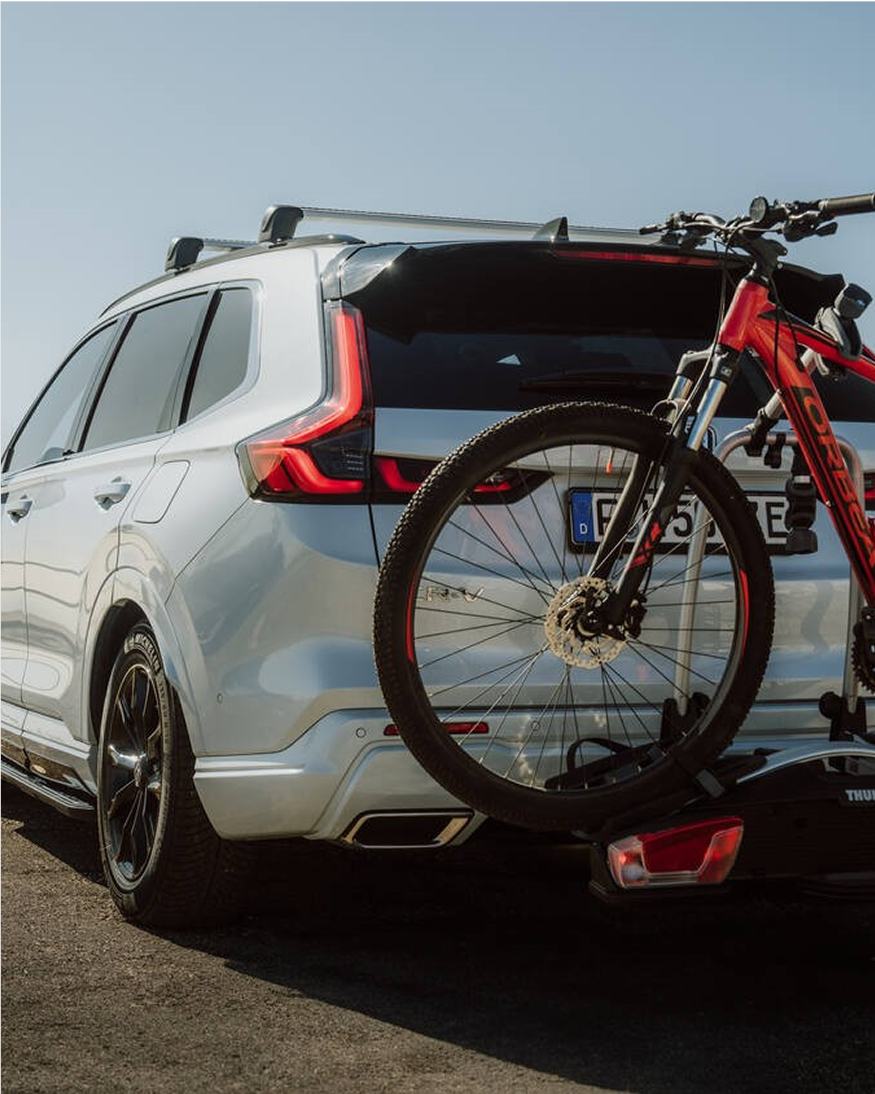
In the short term, Honda is aligning with its sales force to translate the findings into immediate commercial actions on the existing portfolio.
In the mid term, communication and marketing direction will adapt to reflect how European consumers genuinely think about EV ownership, charging, and accessorising.
In the long term, the accessory line-up itself, alongside core product requirements, will evolve through R&D and Product Planning to match a use context that combustion-era playbooks no longer describe.
The research was never built to "land on the shelf". It was built to translate into actionable insights, and that is exactly how Honda Access Europe is now putting it to work. The collaboration also established a shared way of working that both organisations intend to extend into adjacent shifts on the horizon, from safety technology to assisted driving.
Approach
Consumer insights and foresight innovation, the Gemba way.
Made's strategy team blended qualitative and quantitative consumer insights with foresight innovation to get past assumptions and (un)popular opinions. The work happened where the behavior actually happens. In Japanese manufacturing culture, this is known as gemba: the physical place where value-creating work occurs.
For this project, gemba meant stores, roads, charging stations, driveways and holiday routes across multiple European markets, with both end consumers and the retail operators who advise them.
Rather than relying on desk research or aggregated survey data, the team watched and documented how people actually approach EV adoption: how they ask questions in showrooms, how they reflect on purchase decisions, how they plan holidays, pack their cars, choose racks, and think about charging stops along the way.
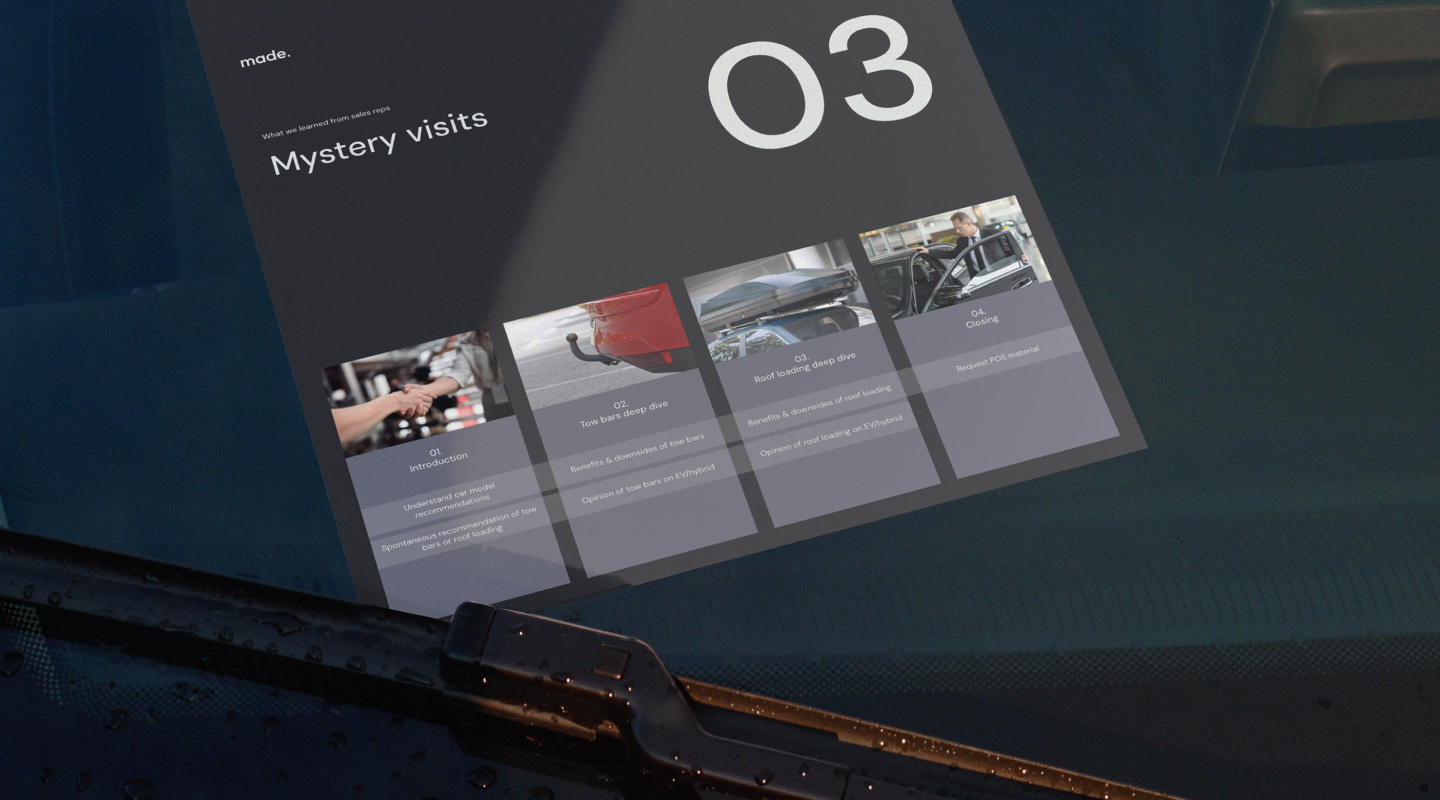
The team crossed country borders to visit points of sale across many different car brands, not just Honda's own network, so that the competitive context in which European EV buyers form their expectations was part of the evidence base from the start.
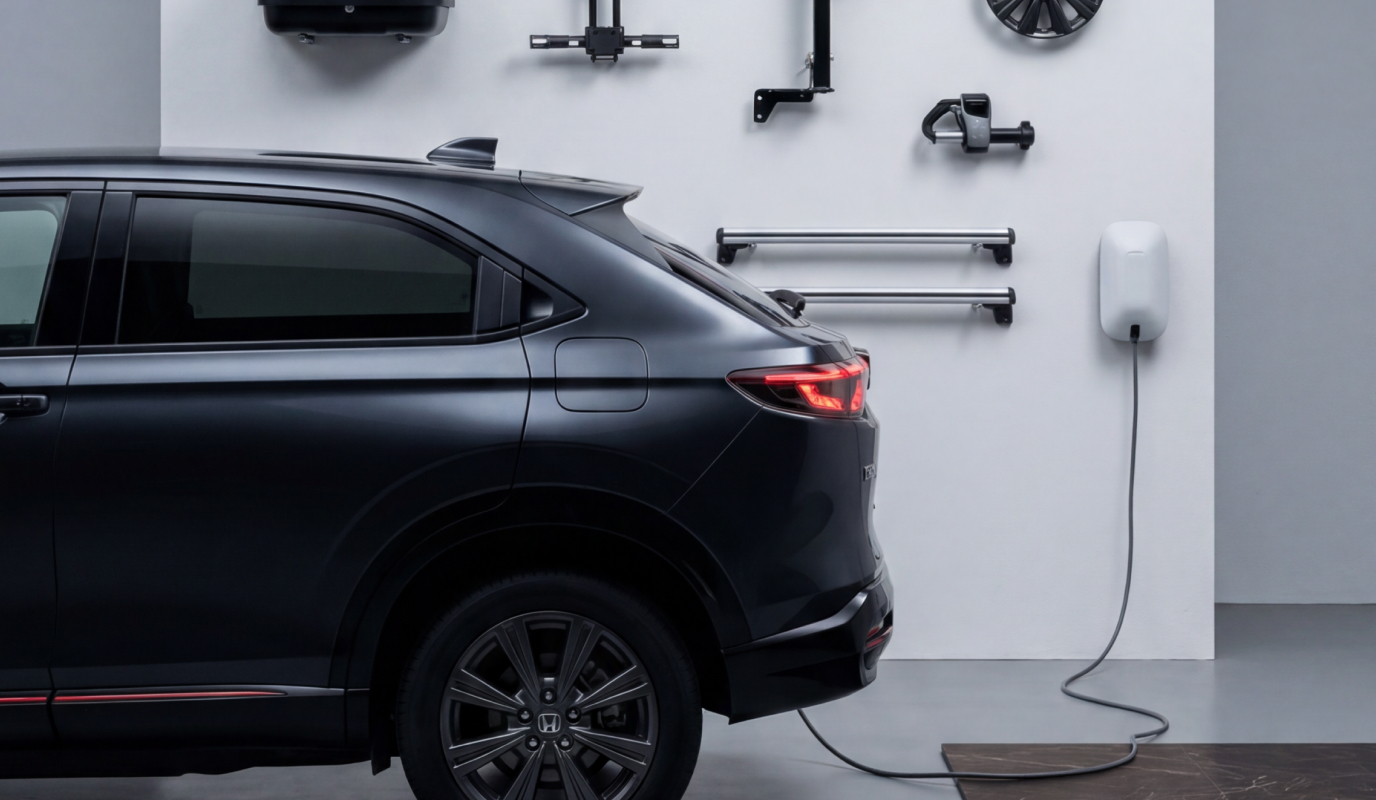
From there, the team framed consumer- and user-centric opportunities for Honda Access Europe. The result is a clear vision on a future portfolio ranging from incremental iterations on today's accessory range to leap-change bets for an electrified future, each one anchored in observed behavior rather than assumption.
That methodological alignment proved decisive. Both Made and Honda Access Europe shared a conviction from the outset that market data has to be validated on the ground, not just in the slide deck, and that shared starting point is what allowed the work to move quickly from observation to strategic direction.