.jpg)
Challenge
Building the infrastructure for re-use packaging.
With every EU citizen generating approx. 180kg of packaging waste annually, single-use packaging has become one of the most defining environmental challenges of our time.
Ecourage set out to break that cycle.
The ambition? Becoming the infrastructure partner that enables both FMCG brands and retailers to transition from single-use packaging to reuse and refill. Not as a niche sustainability initiative, but as a scalable, commercially viable alternative to the many plastic bottles, containers, and sachets that are now flowing from stores to homes to landfills in an endless stream.
Success in this space requires every piece of the value chain - brands, retailers, packaging suppliers, logistics partners, consumers - to work in concert. Hence, the challenge here wasn’t just about creating a refill machine. It was about building an entire refill ecosystem from the ground up.
Enter Made.
Impact
A refill ecosystem with a seamless experience.
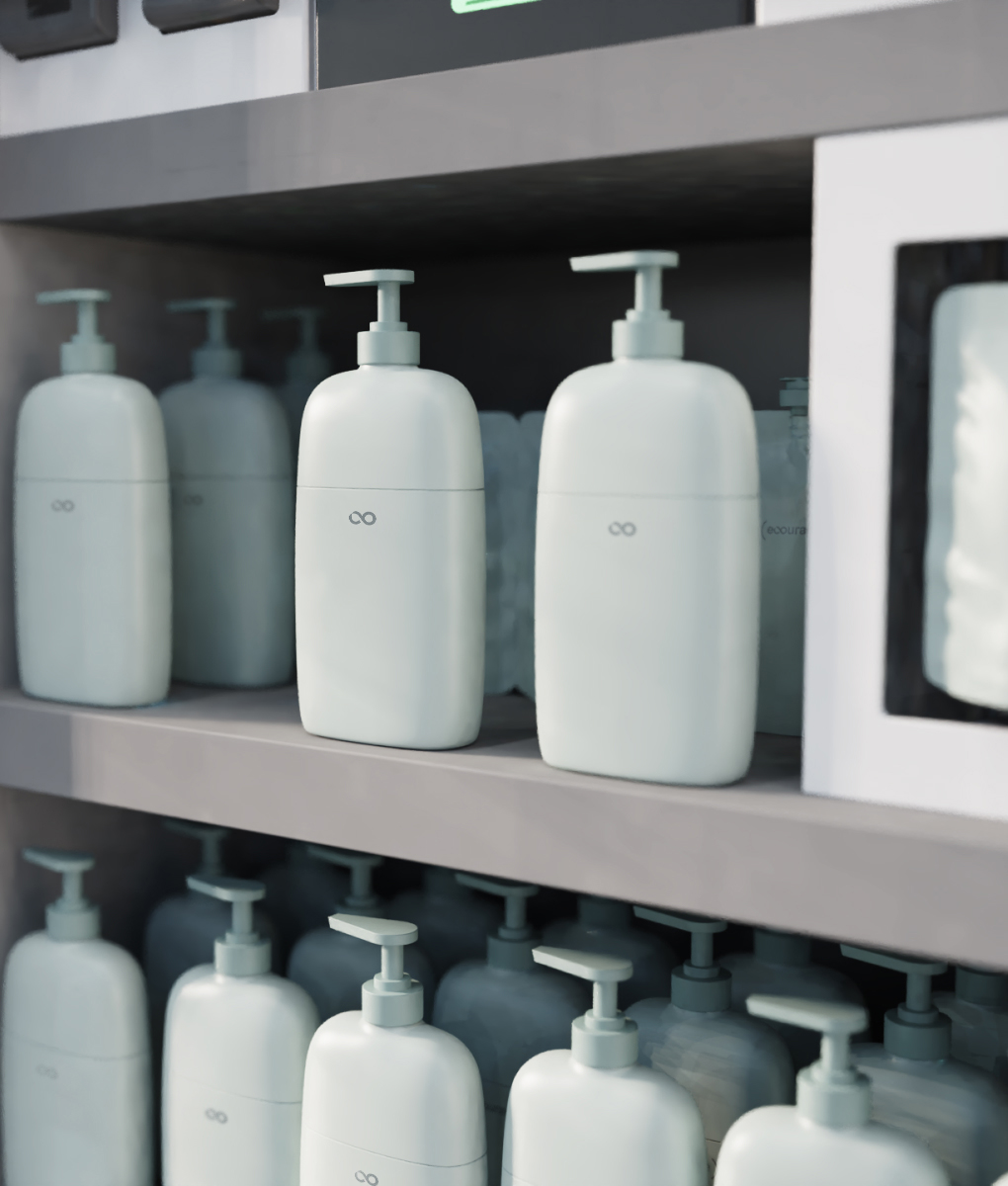
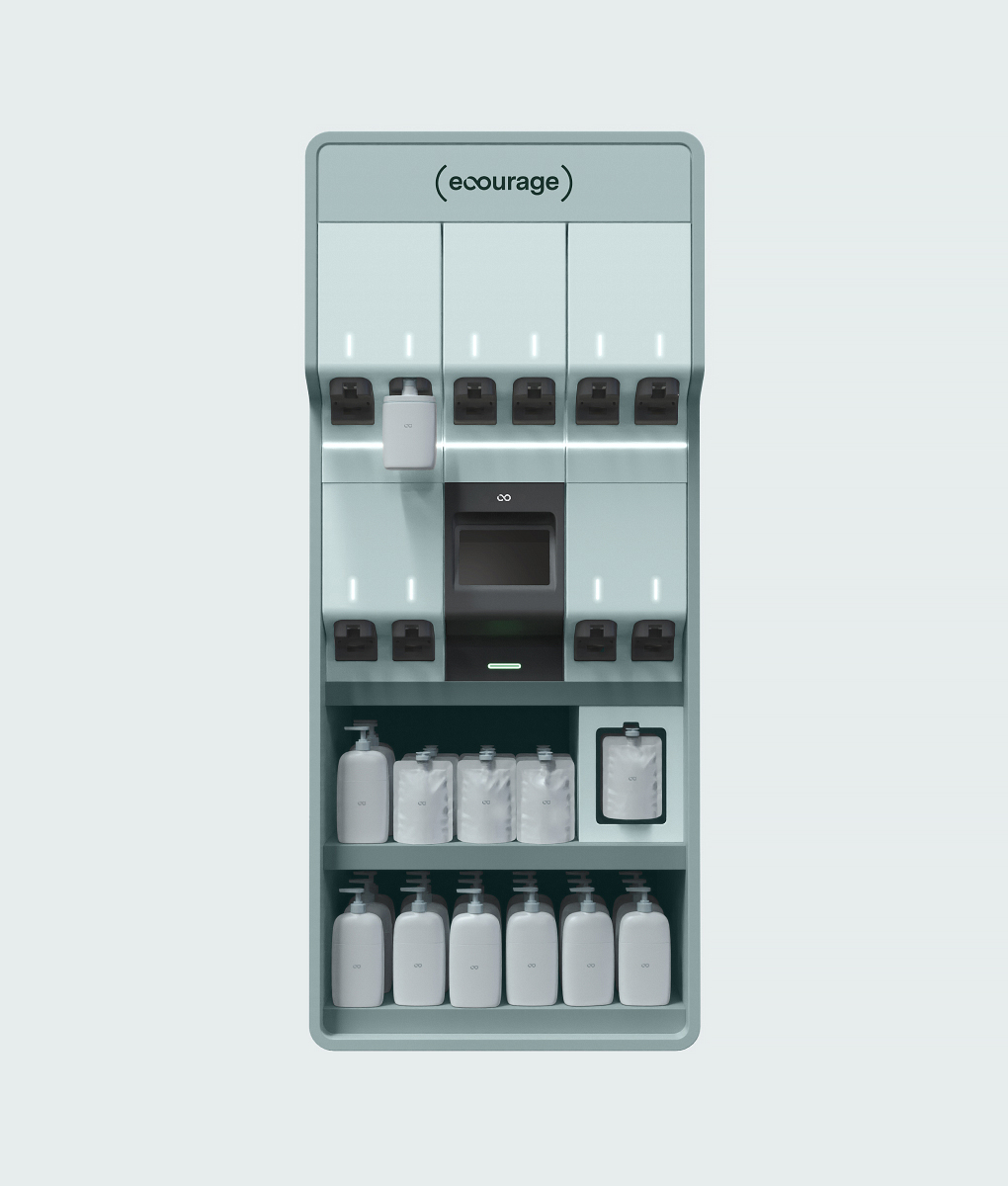
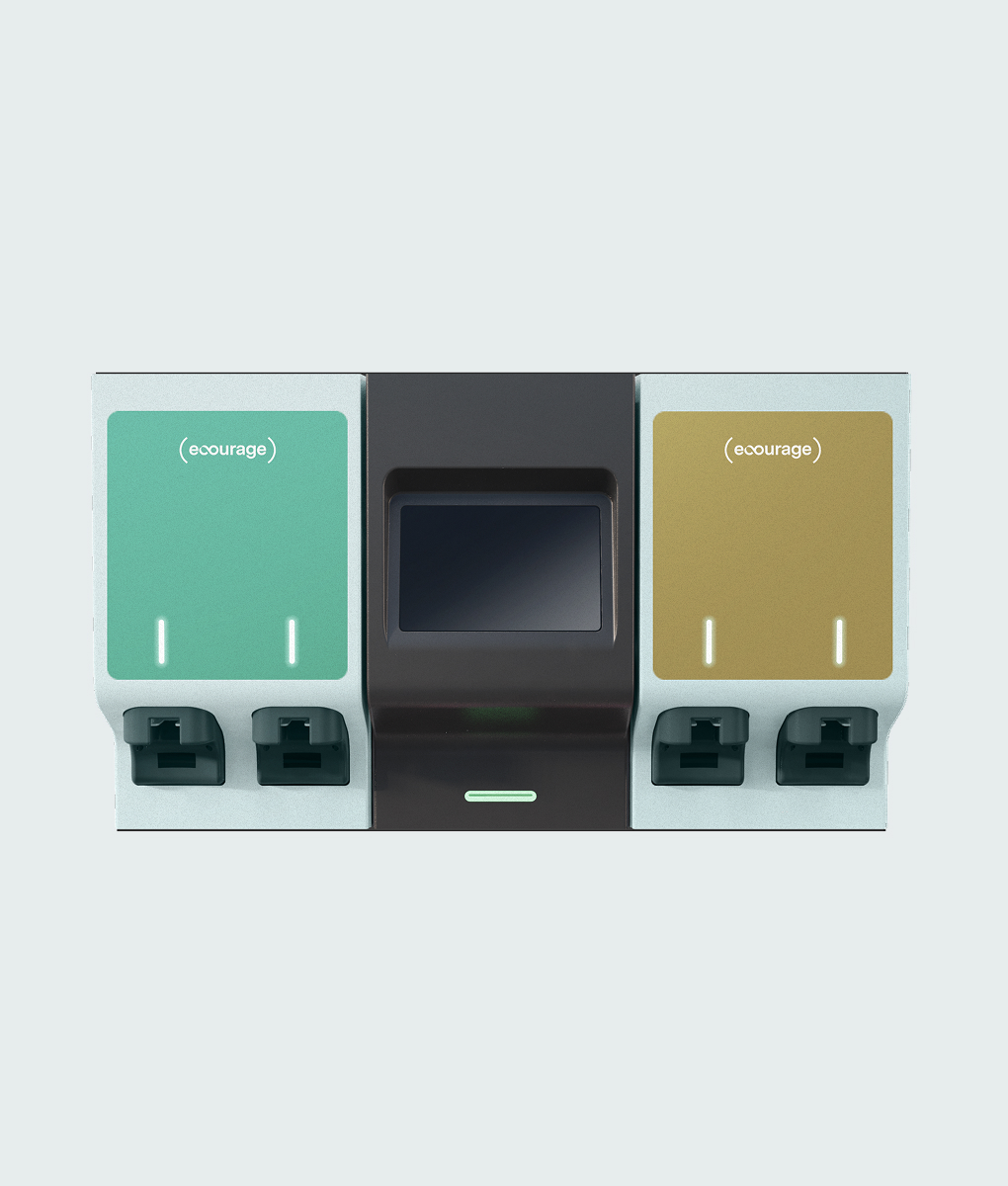
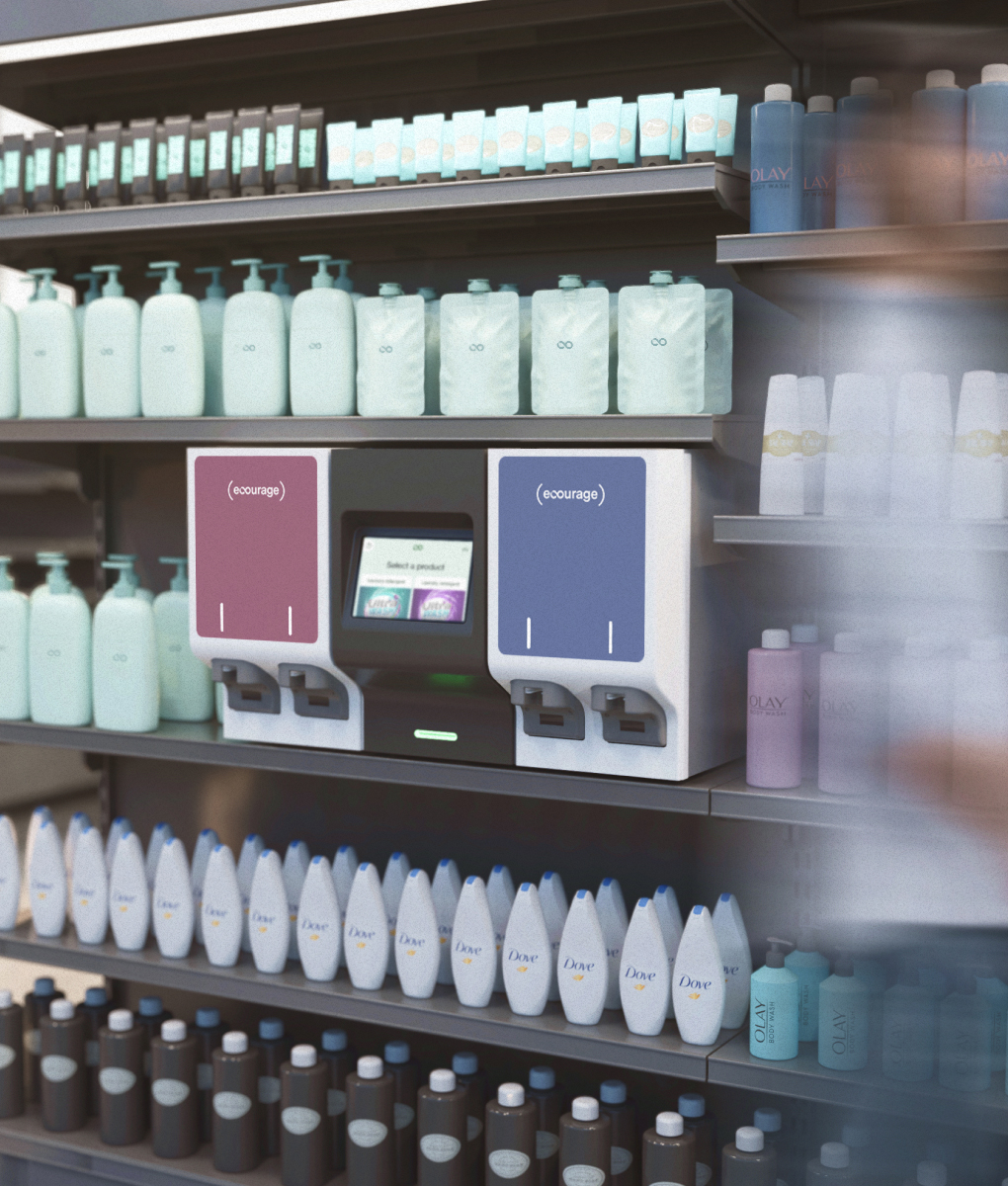
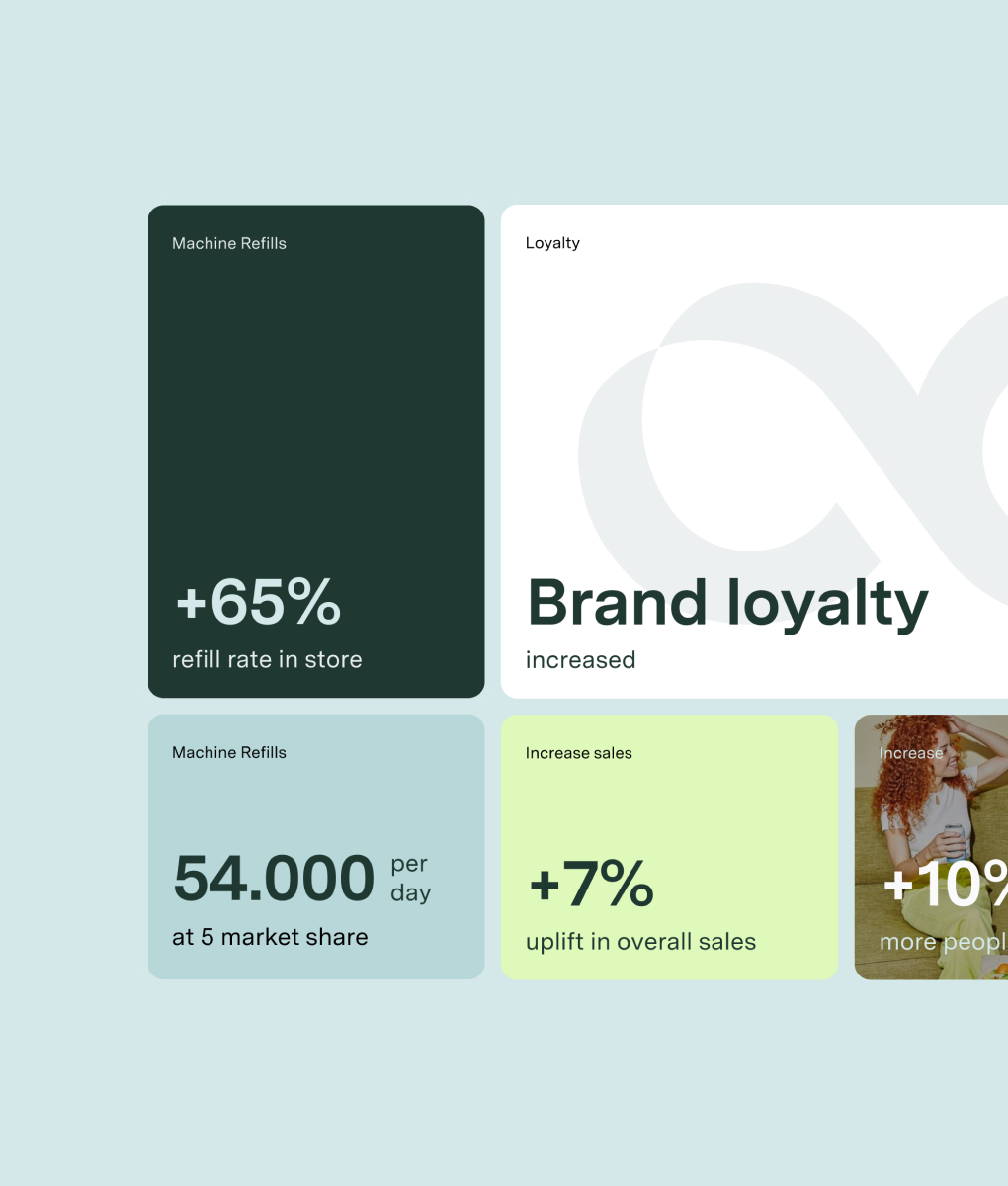
Ecourage now provides a smart, mess-free refill system that makes sustainability feel effortless rather than sacrificial. Impacting not only the consumer, but also the retailer, the consumer brand and any other stakeholder involved.
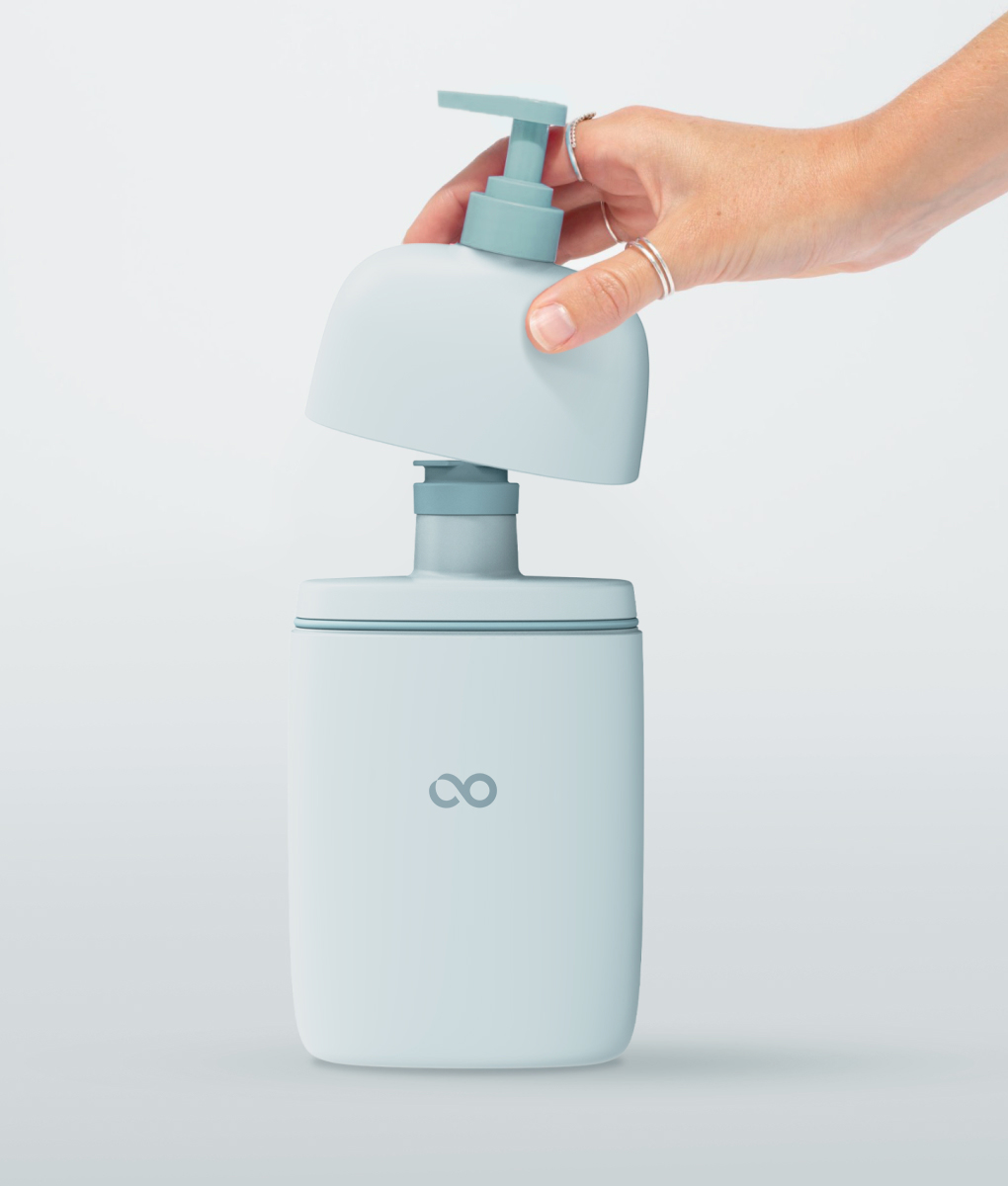
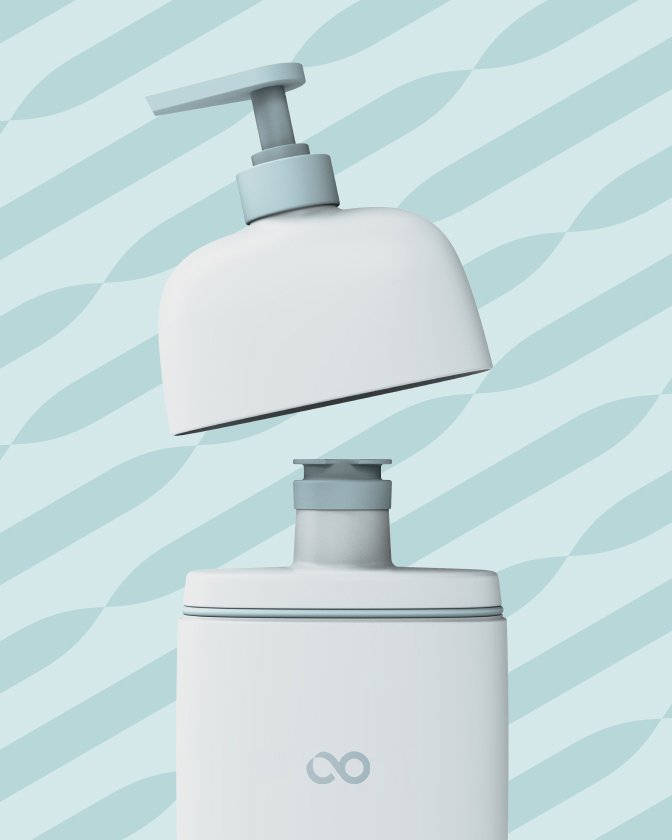
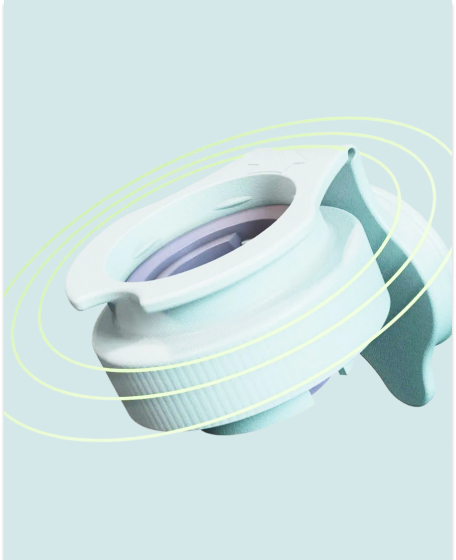
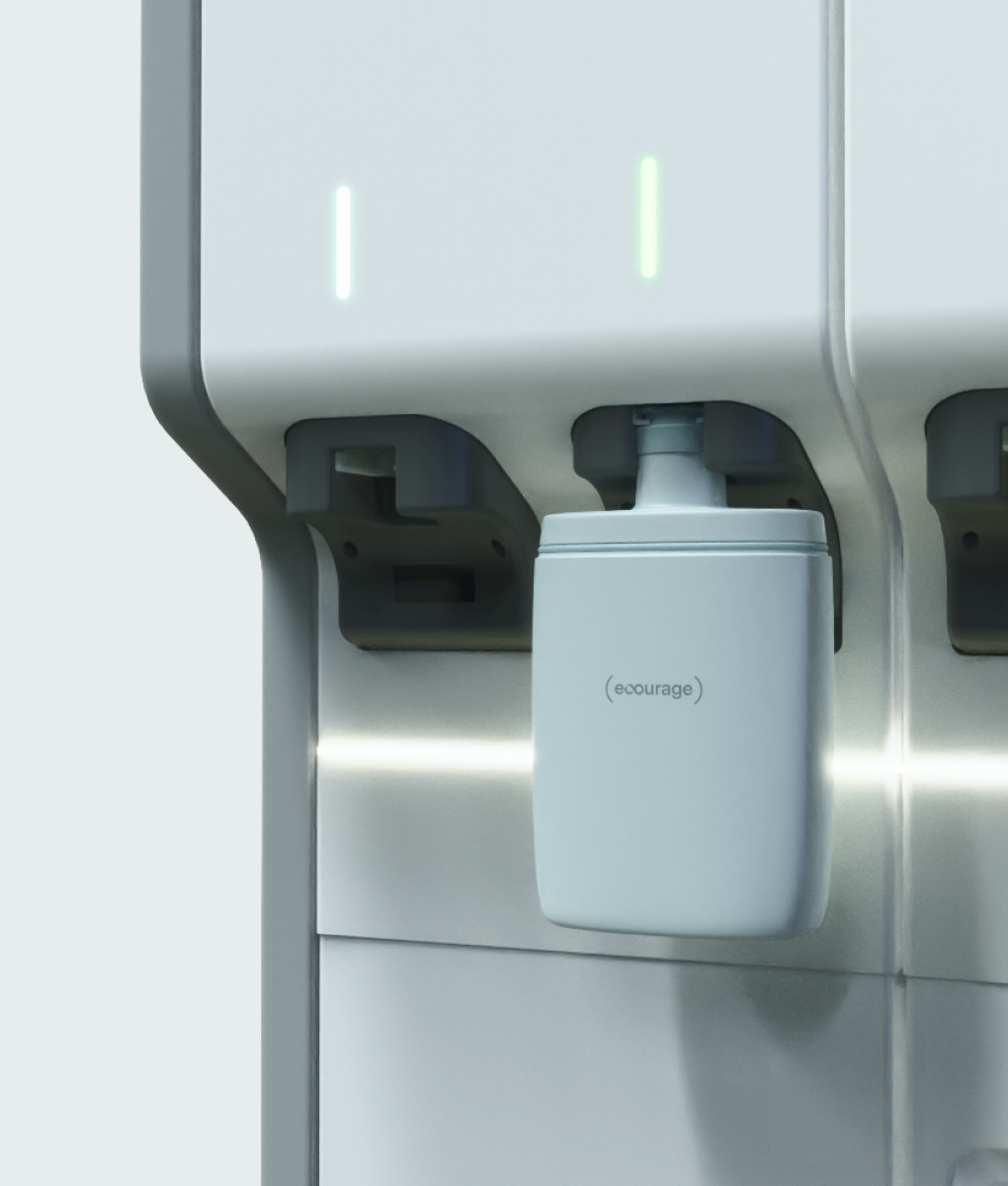
For brands, the Near Field Communication (NFC)-enabled smart packaging solves one of the biggest barriers to adopting reusable packaging: loss of control. Without safeguards, a premium brand's bottle could end up refilled with a competitor's cheap alternative. Or worse, mixed with leftovers from a totally different product. The NFC system eliminates that risk entirely: each bottle is linked to a specific brand and a specific product, providing the product traceability and reassurance brands need to confidently enter the refill space.
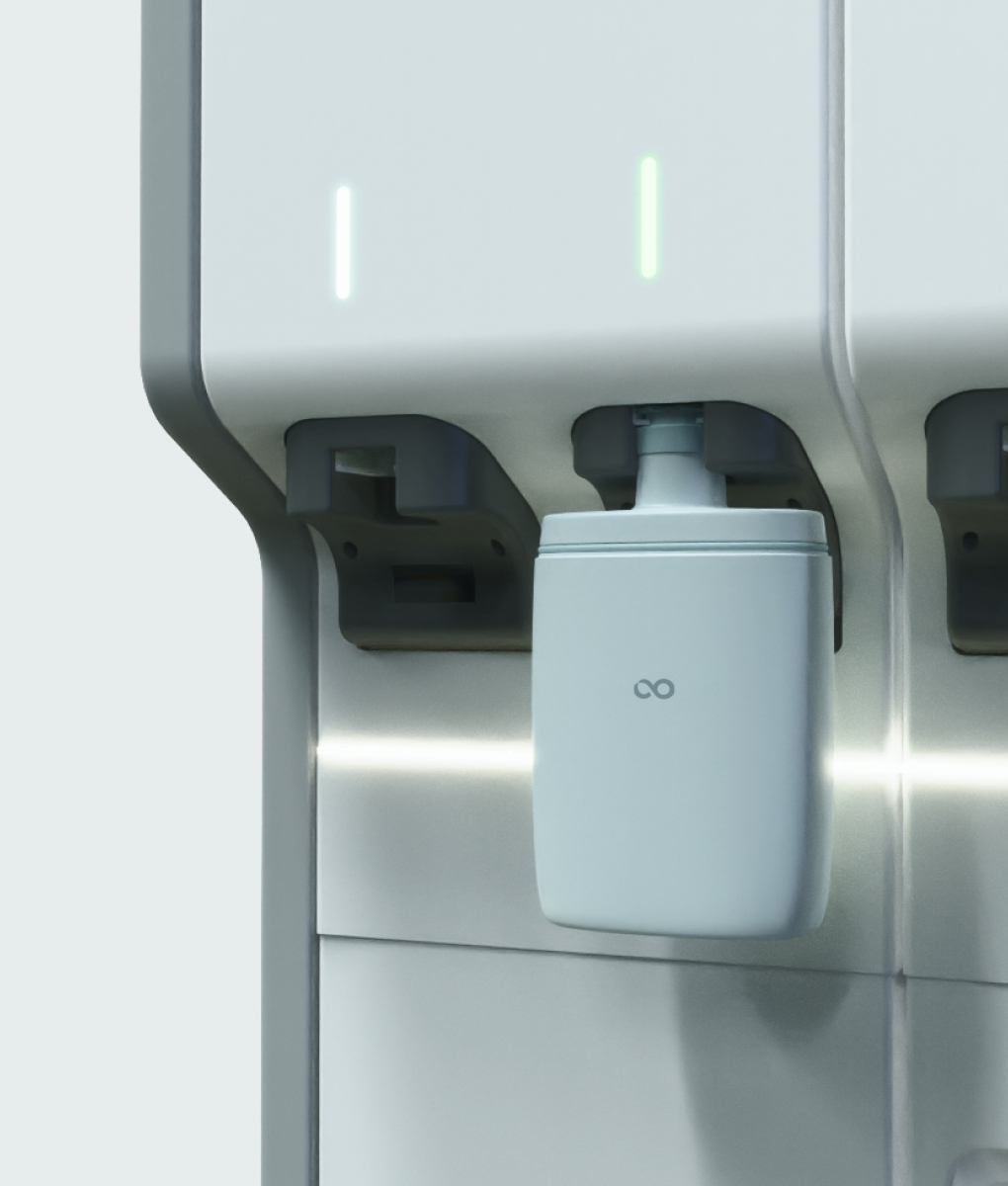
The controlled, closed dispensing system also expands what refill can actually handle. Traditional pump stations work for soap and detergent, where minor contamination is harmless. But edible products demand a higher standard. Ecourage's hygienic, automated approach makes refill viable for consumable oils, sauces, and food categories that were previously off-limits. Add to that the valuable usage data the system generates, like refill history, product preferences, and engagement patterns, and consumer brands gain insights that simply don't exist with single-use packaging.
For retailers, in addition, the system has the potential to deliver a revenue-per-square-meter advantage, while giving customers a compelling reason to return to the physical store. For consumers, refilling becomes as intuitive as buying new products time and time again. And for the planet, every refill means one less bottle in the waste stream.
Through a partnership with ecostore, the technology is now reaching consumers as far as Japan and New Zealand, proving that smart refill can work across markets, cultures, and continents.
Approach
End-to-end innovation, from day one.
Made has guided Ecourage in this exciting journey from the very beginning. Before there was a brand. Before there was a business model. Before there was a physical product.
As reuse-and-refill is one of the most challenging system design issues out there, a first and crucial responsibility for our team was to bring the entire value chain together. We identified where interests converge and where friction emerges, before designing a solution where even the smallest details are aligned across stakeholders.
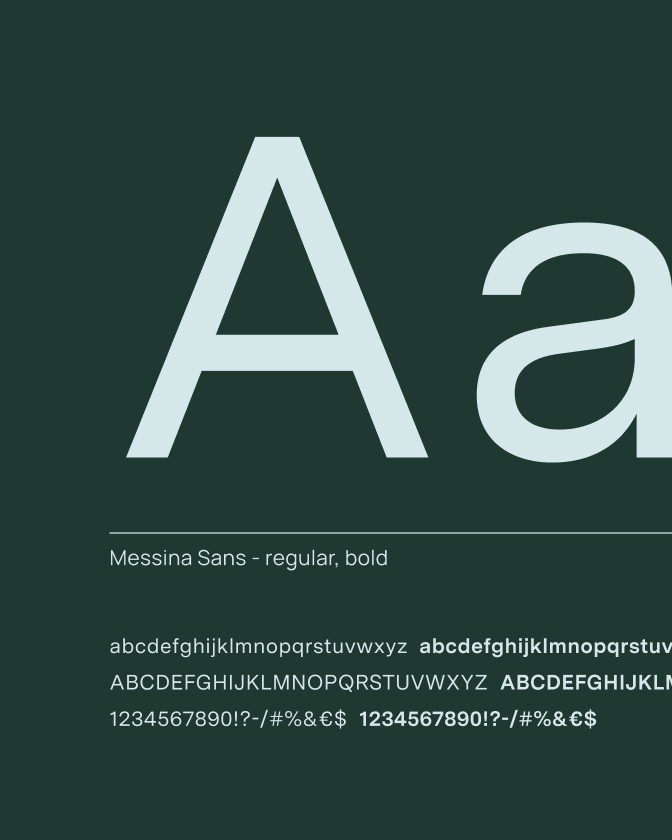
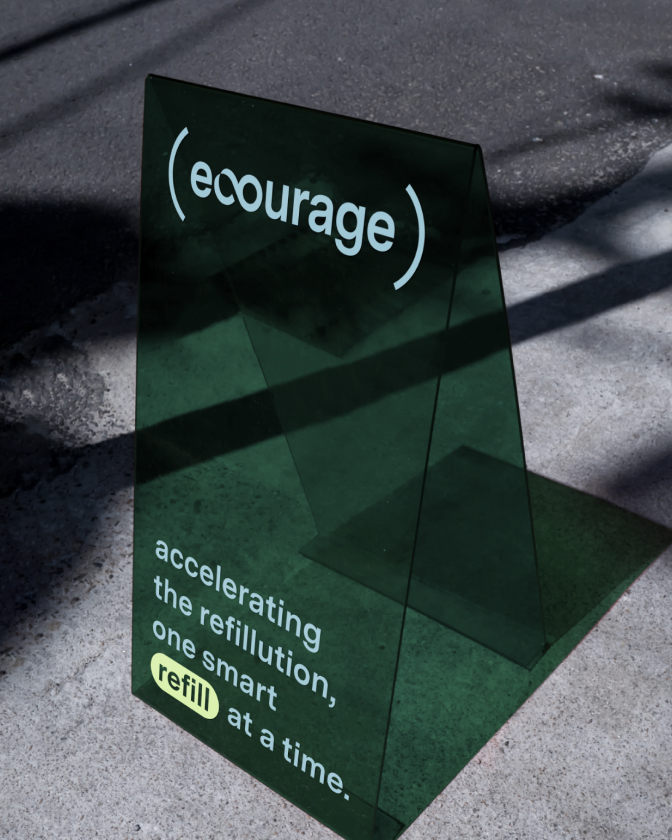
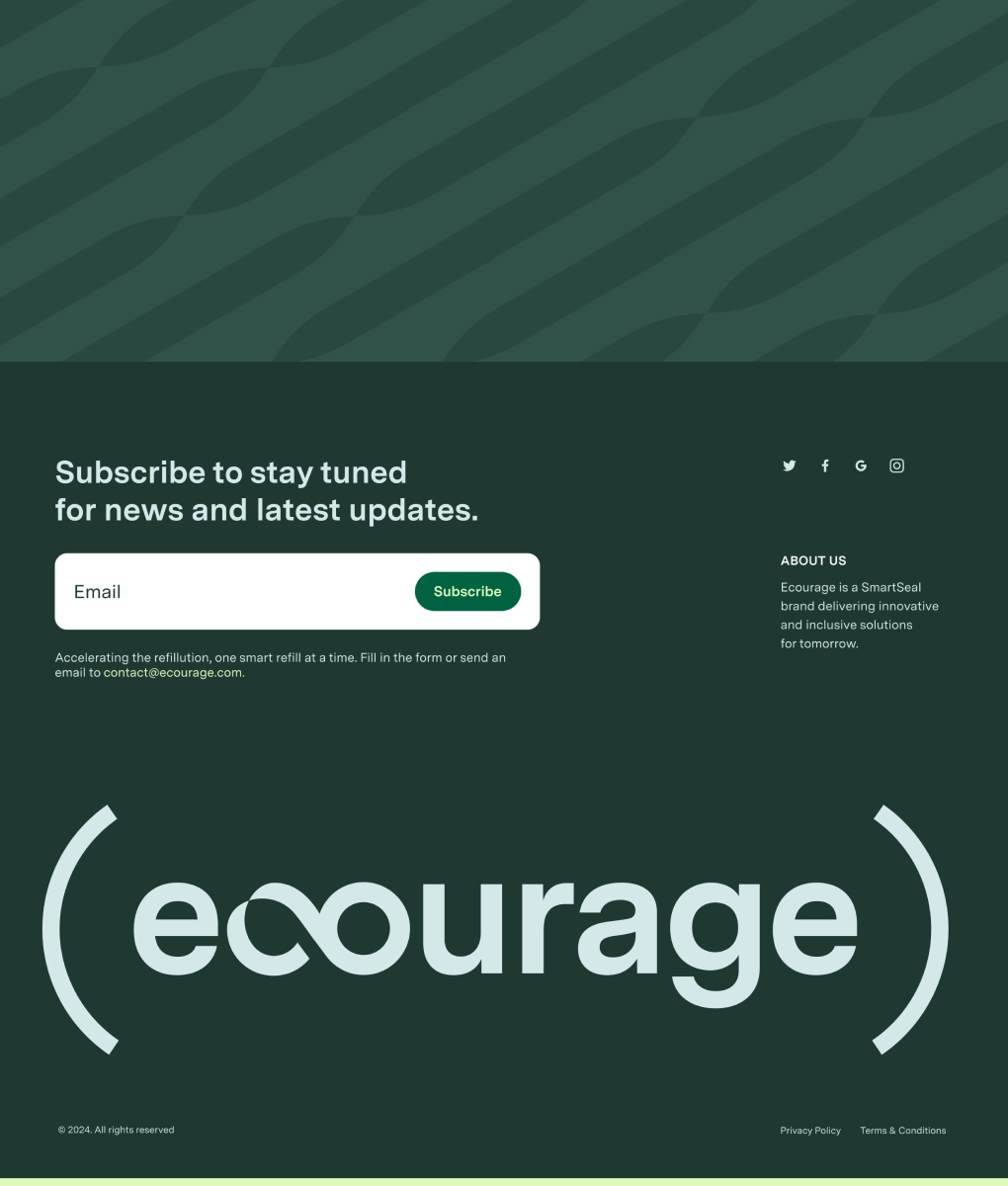
Establishing the brand. We developed Ecourage's complete brand identity, including brand guidelines and website, positioning them as the infrastructure partner for the refill revolution.

Outlining the business model. Before diving into specifics, we took a helicopter view of the ecosystem. Should Ecourage focus on direct-to-consumer, B2C retail, or B2B partnerships?
We evaluated each path and started where we could have the most control; an approach that would allow us to make things tangible quickly, test in real conditions, learn, and iterate. From there, we mapped the full value chain to identify business potential across retailers, consumer brands, and end consumers.
Crucially, we didn't design this in isolation: brands and retailers were actively involved throughout the process, co-creating a solution that works for them because it was built with them.
The result was a clear commercial proposition that aligns the interests of all stakeholders and introduced by means of a staged approach that facilitates adoption for each stakeholder. Because sustainable solutions can only scale when they make economic sense for everyone involved, while the risk of adoption is limited to the absolute minimum.

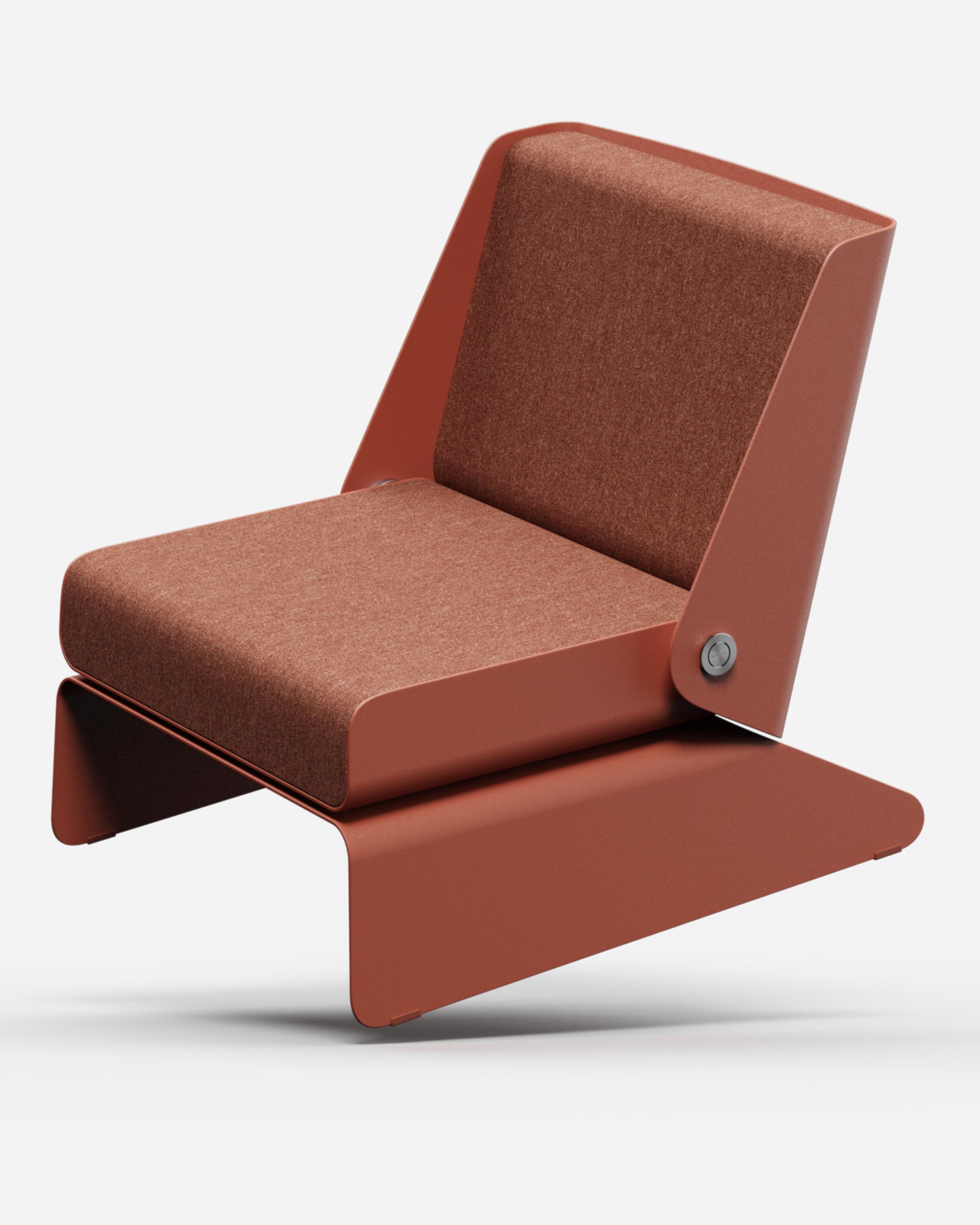
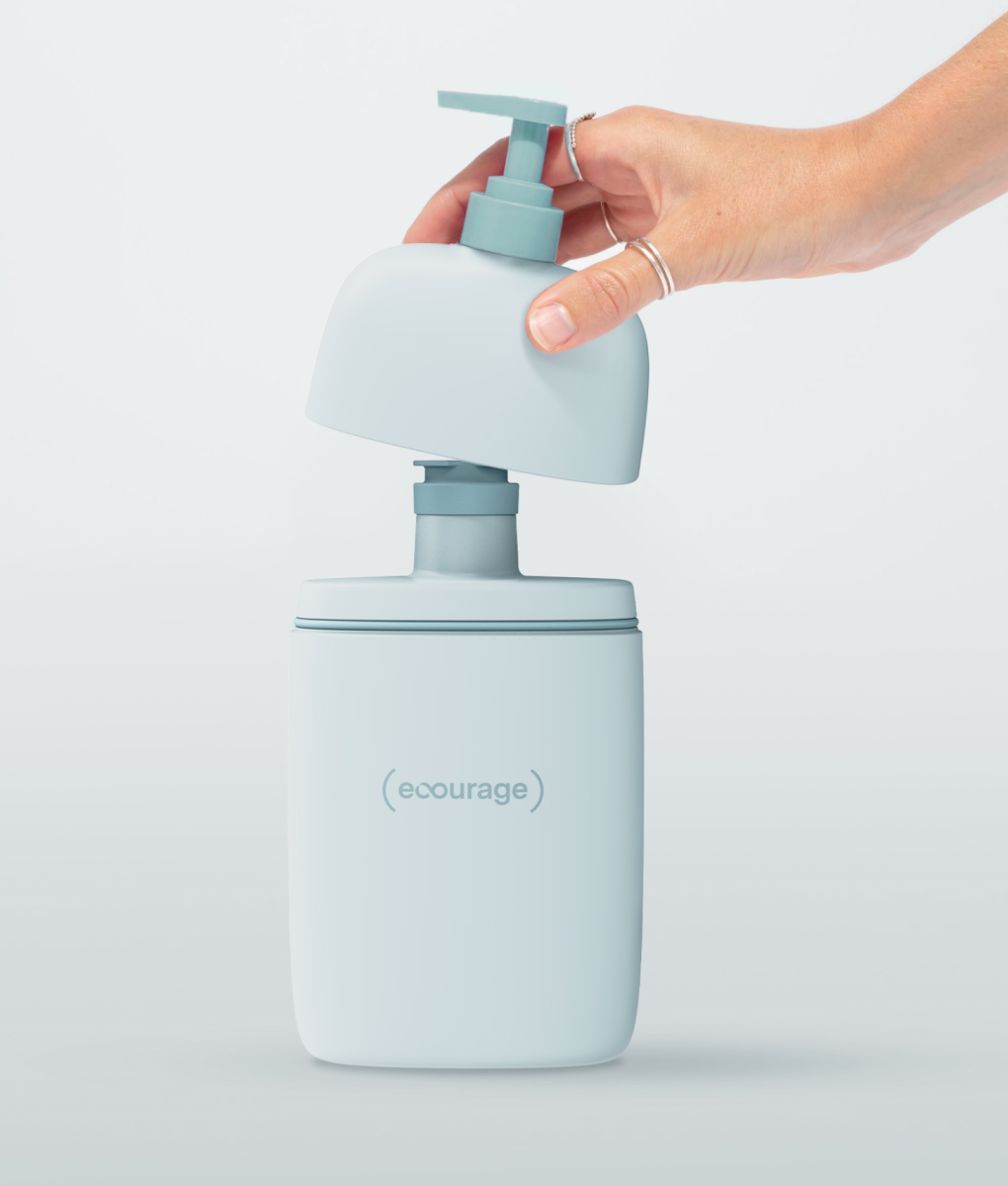
Designing the refill experience for both consumer and retail staff. Our industrial product designers and behavioral experts developed the physical refill machines and smart packaging system, focusing relentlessly on user experience. Hence, every touchpoint was designed to be intuitive and reduce friction.
For starters, we mapped the customer journey and identified every potential point of friction from the moment a shopper enters the aisle to the final ‘click’ of a sealed bottle. Subsequently, we validated and ensured an ergonomic experience by means of a Virtual Reality design process. In addition, we stress-tested the bottle inlet, one of the main interaction points, through rapid prototyping. This resulted in a design that allows the packaging to be positioned in only one way, ensuring perfect alignment every time. Furthermore, tactile, auditive and visual stimuli guide the user through every step of the process, making the refill journey feel as natural as buying new single-use packaging.
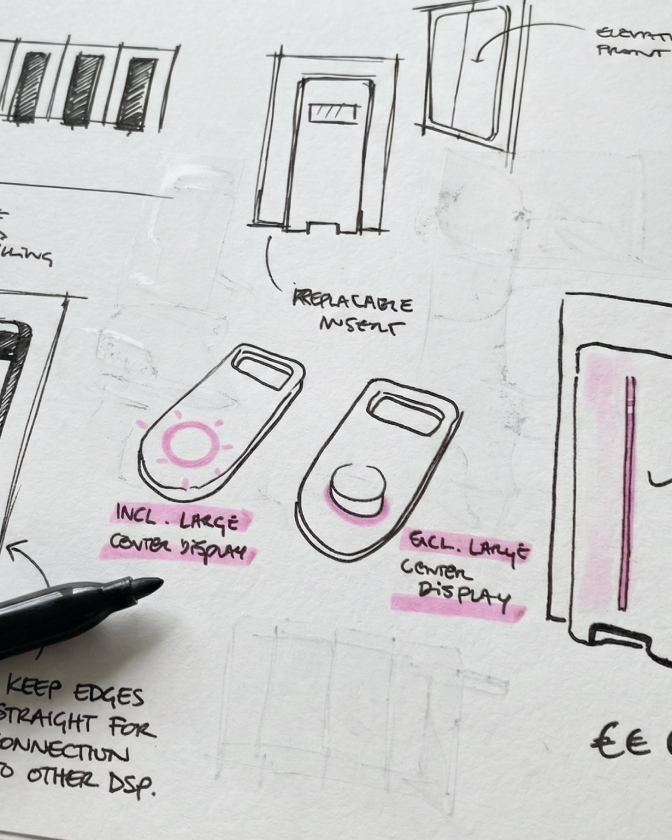
Throughout this process, industrial product design and business design went hand in hand. On the one hand, a change in product design can always shift the business model. A strategic pivot, on the other hand, could require rethinking the product. This constant dialogue ensured that every design decision was aligned with Ecourage's growth ambitions, and that the business model could actually deliver on what the product promised.
What started as a startup idea became a fully integrated refill platform, ready to scale. A true end-to-end project that accelerates the shift from single-use to reuse.