It's not about the promise of maritime innovation, but about the practice of it.
Antwerp, Belgium - September 22nd, 2025
Updated March 16th, 2026
By Michiel Mol, Managing Director at Made
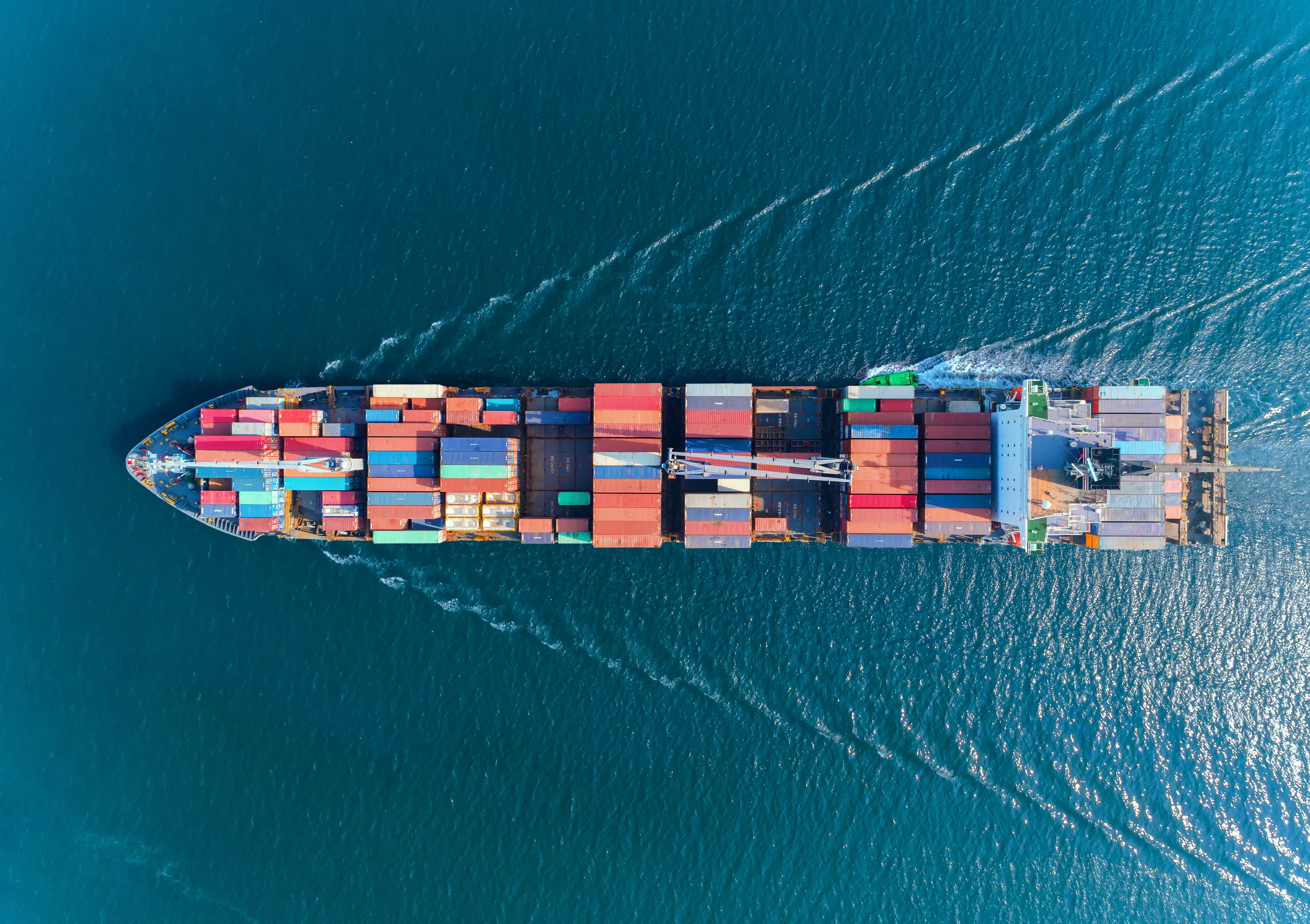
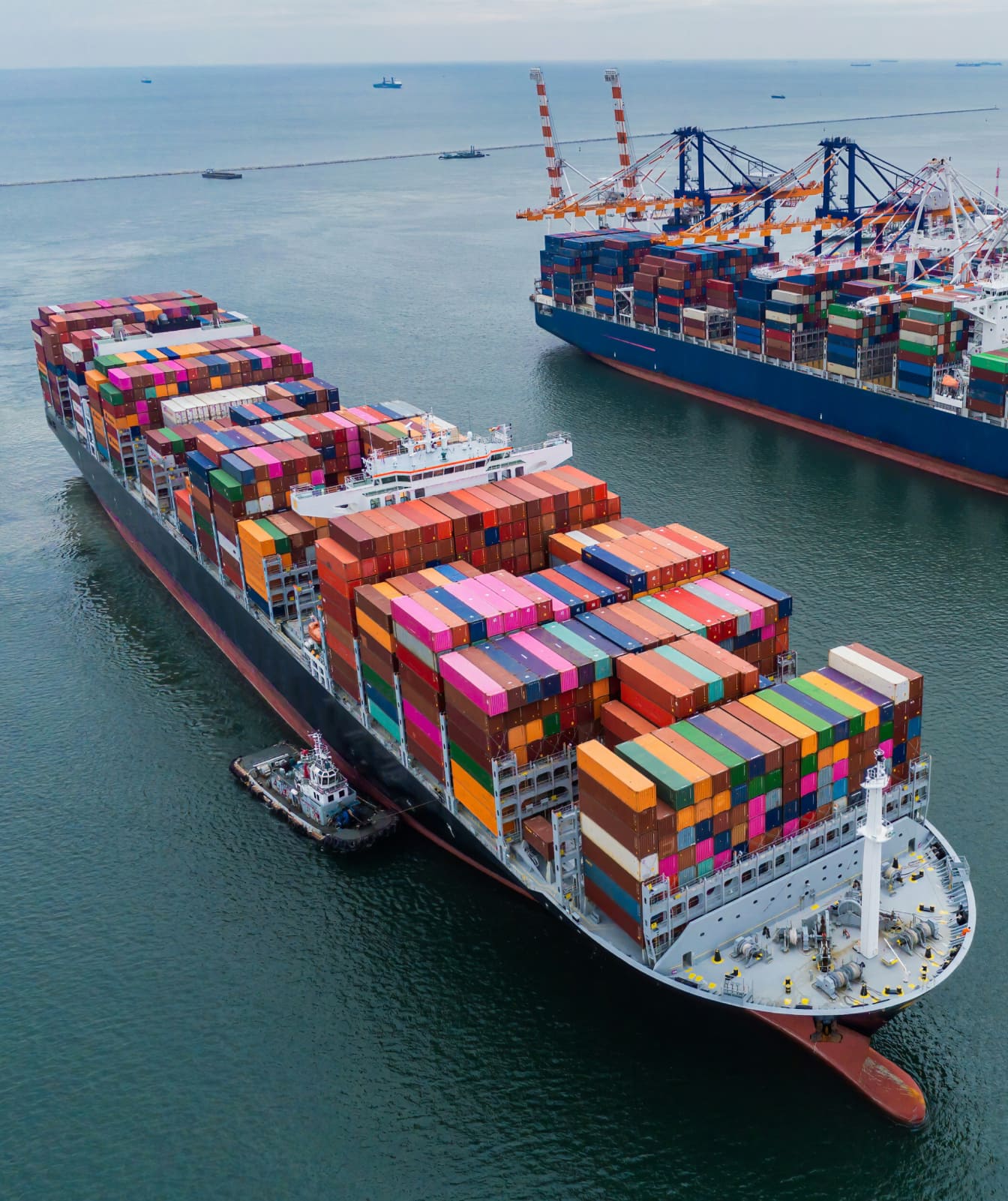
A ship is a box. A floating one. A regulated one. One that runs in salt, heat, cold, vibration, and connectivity that cuts out at the worst possible moment.
If that sounds like an odd way to start talking about innovation, good. Because the maritime industry doesn’t need another article listing AI, IoT, and sustainability as “key trends reshaping global shipping.”
Every industry insider is well-aware of the trends. The question that matters is why so much maritime innovation still fails to make it past the pilot stage, and what it takes to build the kind that actually sticks.
That's what this piece is all about. Not about the promise of maritime innovation, but the practice of it.


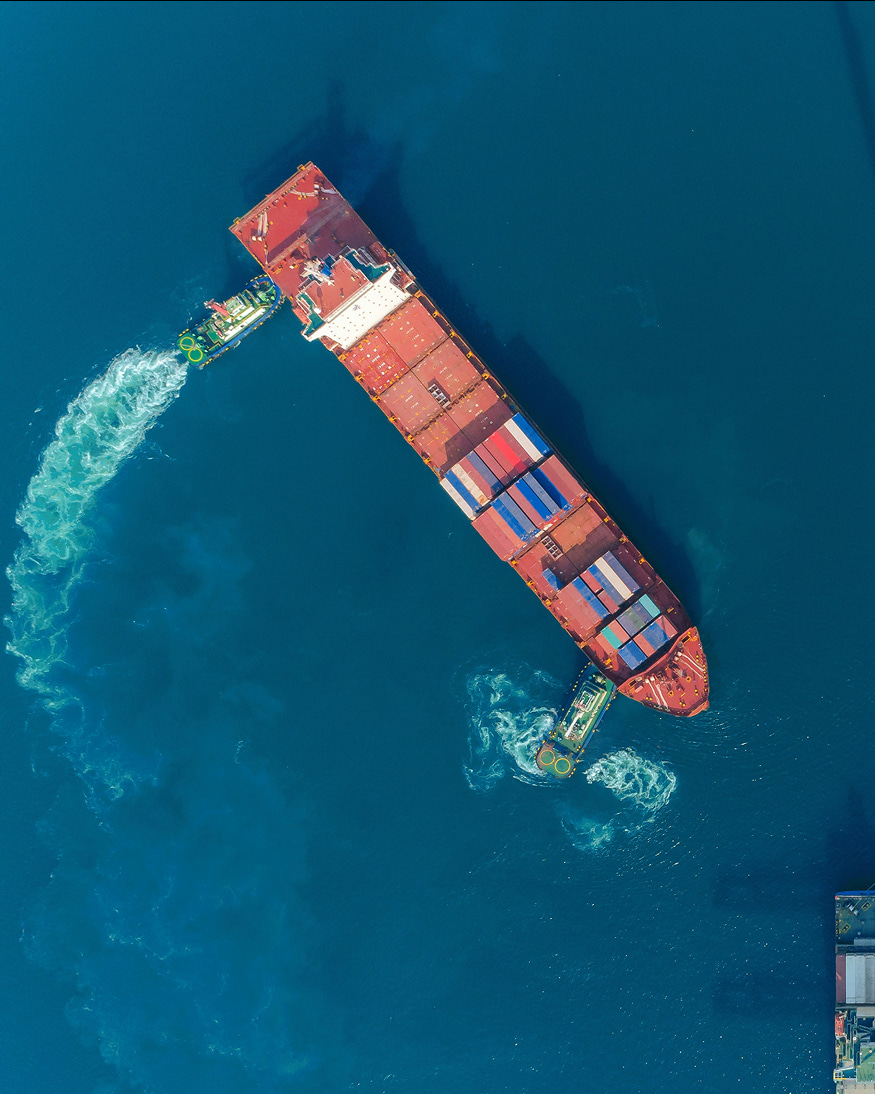

Innovation shaped from the inside out.
Shipping moves roughly 90% of world trade. Consequently, marginal gains in efficiency, safety, or emissions translate into enormous impact. From an innovation studio’s perspective, that’s exciting stuff.
But it also means the stakes are high. Too high for guesswork.
From the outside, maritime looks like the perfect playground for bold, “out of the box” ideas. But that's exactly where most digital product studio's get it wrong and burn their fingers.
At Made, we've built our right to play in this industry in recent years, and we consider a ship to be like a box. Innovation that works in this floating box must be shaped from the inside out. Not from the outside in. That’s what makes shipping generally harder than most industries.
If a new and shiny idea doesn’t fit the operational constraints at sea from day one, it won’t last day two. Simple as that. It’s not stubbornness, though. It’s physics, safety, and compliance. When problems arise, solutions must fit instantly within these constraints. In shipping, there is no room for experimentation under pressure. It’s a luxury maritime simply does not have.
As an industry, shipping is cemented in history. When it comes to shaping the industry’s future, trust and innovation are deeply intertwined. The second maritime innovation misses out on even the slightest element of context, it will get thrown overboard.
A few months ago, I visited Jeremy Daoust. We’ve been collaborating on several innovation tracks for years now, and Jeremy is probably one of the most humble people I know. At the same time, he's also one of the most experienced guys in shipping.
When he was Vice President Product Incubation at (Lloyd’s Register) OneOcean, we spoke about what makes maritime innovation so different. He put it sharply: “the second maritime innovation misses out on even the slightest element of context, it will get thrown overboard.”
In an industry cemented in history, trust and innovation are deeply intertwined. And Jeremy is right about that. And that dynamic shapes everything we do for maritime clients, at Made.
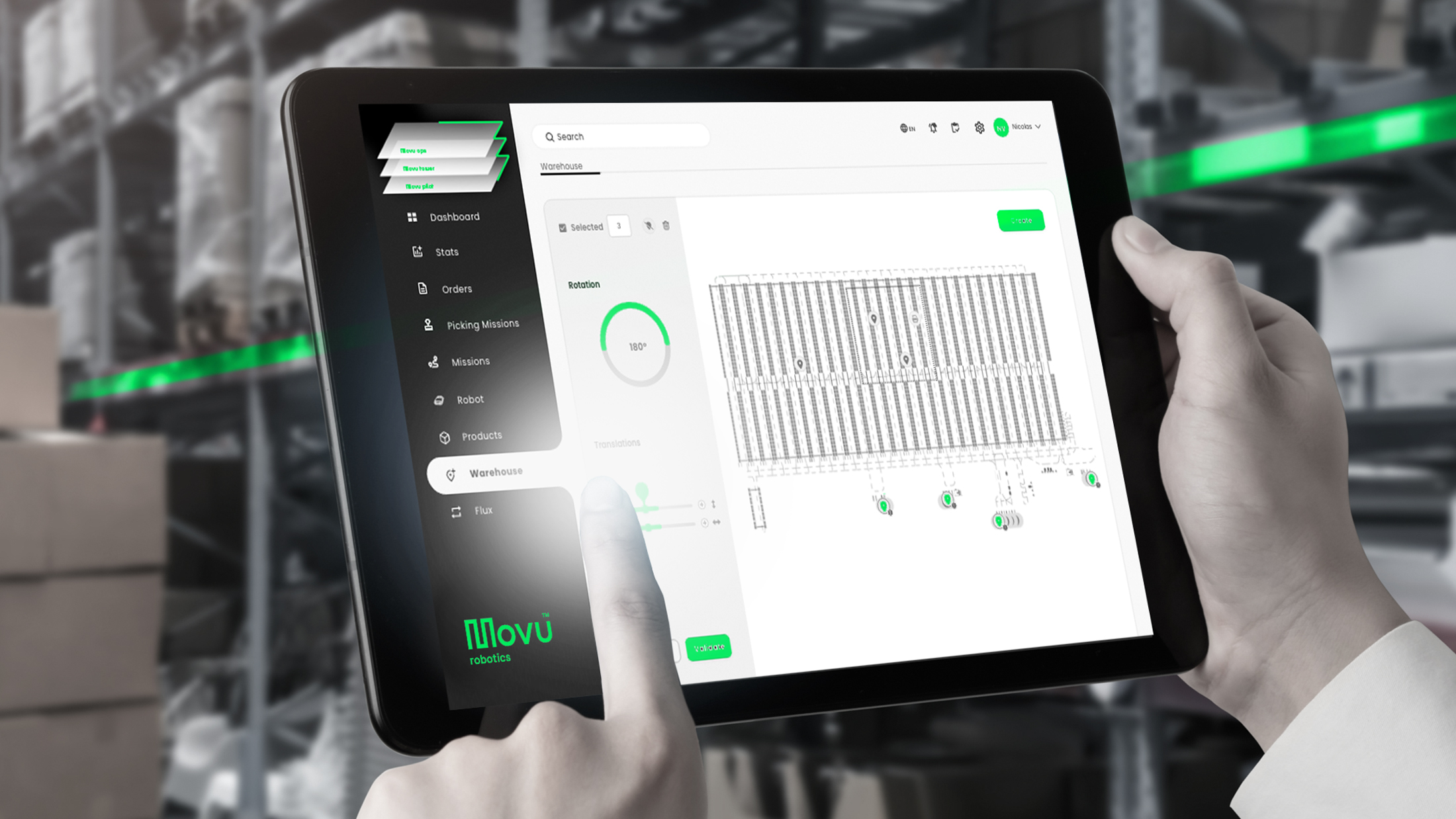
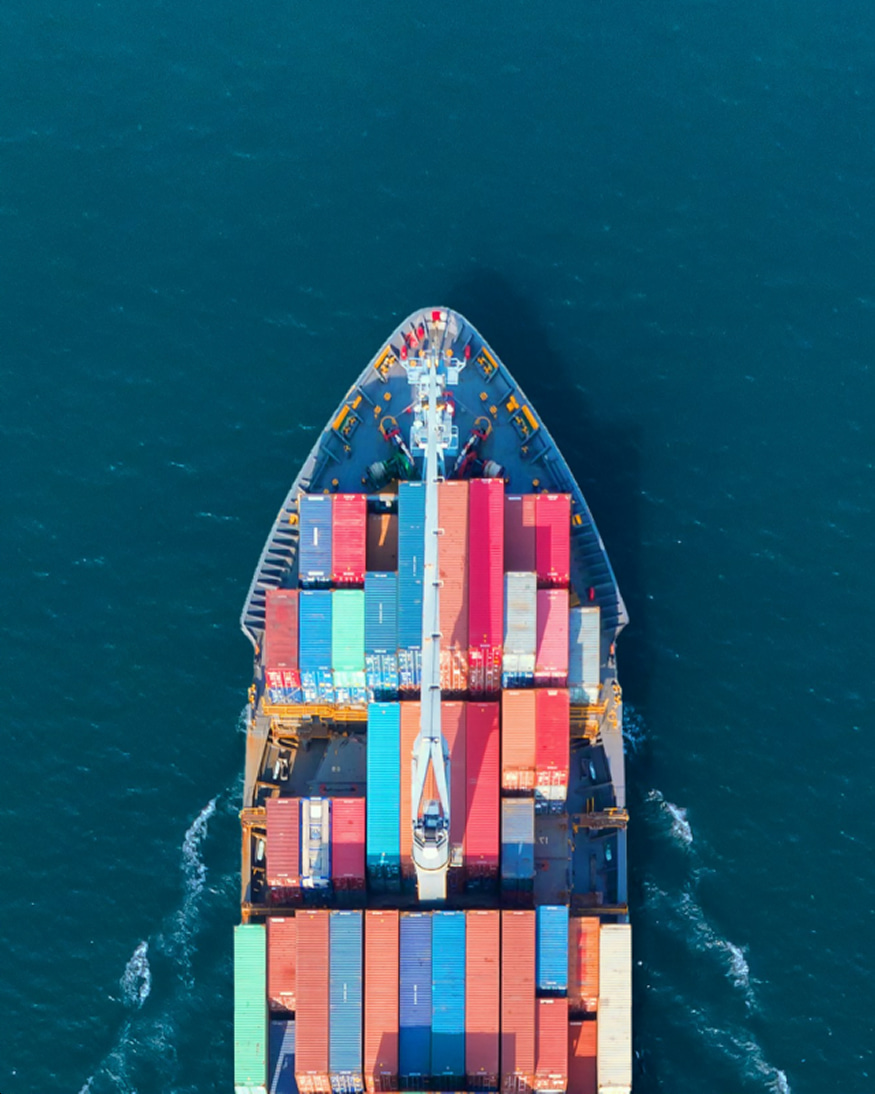
The real waste: mental capital.
When people talk about waste in shipping, the conversation tends to land on fuel, time, or carbon. All valid. But there is a form of waste the industry rarely names, and it might be the most expensive one: the cognitive load on the people who actually run operations.
A chief officer toggling between three different systems to cross-reference noon reports, logbook entries, and weather routing data is not doing high-value work. They are doing administrative survival. A port captain manually reconciling fleet performance dashboards that each tell a slightly different story is spending mental energy on alignment, not on decisions.
This is what we call mental capital, and maritime is struggling to free it. Not because the people aren’t capable, but because the tools, workflows, and data structures they rely on were designed in a different era. Innovation that fails to address this properly creates yet another system to manage, another dashboard to check, another process to learn. It adds cognitive load instead of removing it.
The most impactful maritime technology does the opposite. It gives the right people the right insight at the right time, in the system they’re already using, with enough context that they can act on it without second-guessing. That sounds simple. In practice, it’s extraordinarily hard to achieve.
What sinks shiny ideas.
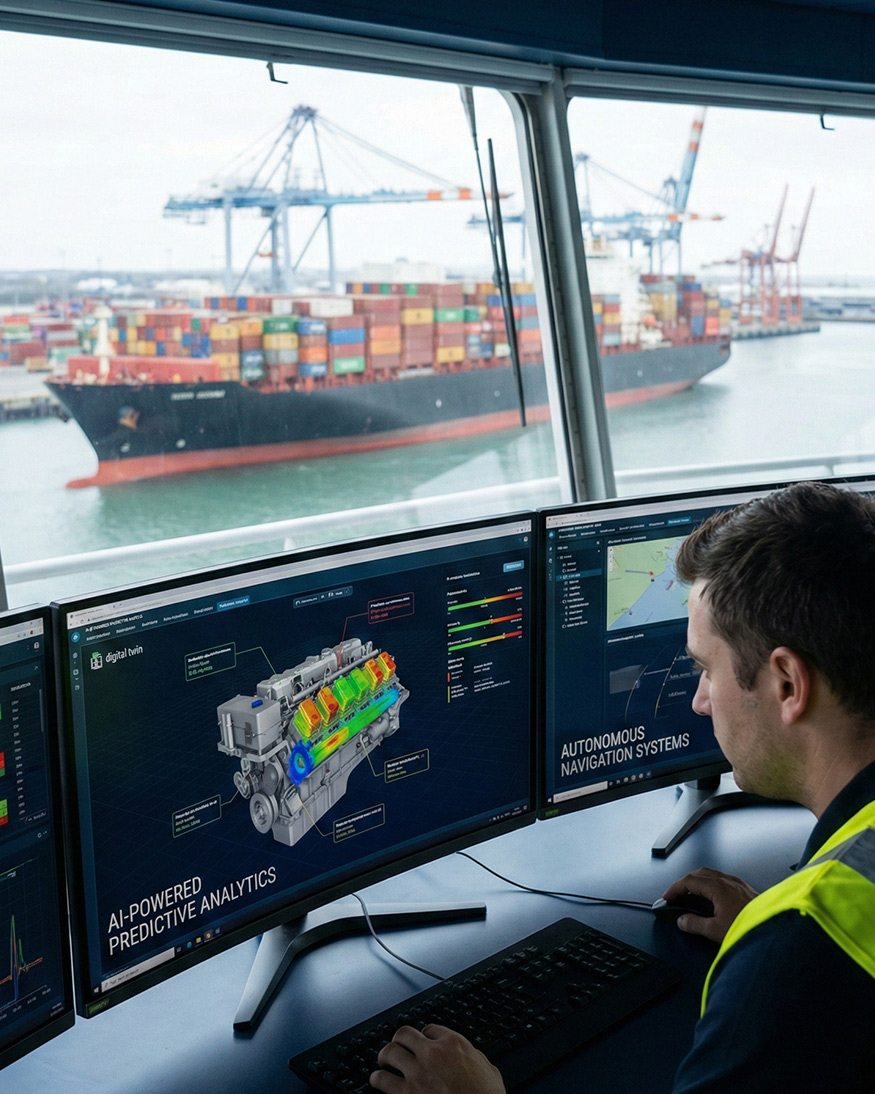
Maritime’s history is littered with pilots and prototypes that never made it past the trial stage. Insiders know the pattern well. A promising demo that works beautifully onshore, then falls apart three weeks into a voyage. A dashboard that delivers insight nobody asked for, in a format that doesn’t match the workflow. A predictive model that is technically impressive but can’t explain its own recommendations to the chief engineer who is supposed to trust them.
The failure modes tend to cluster around a few recurring patterns.
Safety and compliance are non-negotiable constraints, not features to be added later. The CII and other IMO measures are not slideware. If a solution cannot evidence compliance or improve carbon intensity calculations, it becomes shelfware. Designing for regulatory reality from the start is a design requirement.
The operating environment is genuinely hostile. Sensors foul. Bandwidth drops. Power budgets are tight. Any model or system designed for clean data and reliable connectivity will drift the moment it encounters actual conditions at sea. Design for intermittent data and noisy signals, or accept that the product will fail silently when it matters most.
Stakeholder complexity is underestimated almost every time. Crews, owners, charterers, ports, classification societies, regulators. If a tool helps one group and creates friction for three others, it dies. The product that survives is the one that maps the entire ecosystem of people it touches, not just the end user in the pitch deck.
And then there is pilot purgatory: the place where lovely demos go to stall because they never achieved operational fit. If a new tool doesn’t remove work, it becomes more work. It is that straightforward. The best maritime products don’t add technology for technology’s sake. They unlock what is already there: the ship, the data, and the people.
Winning patterns in maritime innovation.
In our experience, the maritime innovation projects that gain traction tend to share a few characteristics. None of them are glamorous. All of them are effective.
The first is solving for workflow, not for product. The unit of progress in maritime is not a minimum viable product. It is a minimum viable workflow. Solve one painful job, such as cutting duplicate noon-report entries and harmonising them with logbook data. Save the bridge team twenty minutes a day. Prove value in a week, not a quarter. Once you have earned trust inside one workflow, the next one opens up.
The second is context-first data. AIS, engine logs, weather feeds, and maintenance records only become useful when they are stitched to the voyage plan and the operating envelope. A data point without context is noise. A data point that tells the chief officer how it relates to their current leg, their CII trajectory, and their upcoming port call is intelligence. That distinction is everything.
The third is trustworthy AI. In maritime, “trust” is not a marketing claim. It is an operational prerequisite. Start with explainable models for applications like fuel deviation analysis or ETA prediction. Keep humans in the loop. Make recommendations auditable. If the chief engineer cannot see why a recommendation was made, they will not act on it.
And the fourth is measurable outcomes, every time. Tie features to hard metrics: minutes saved on administration, percentage improvement in CII score, verified fuel savings on comparable legs. If it cannot be measured, it did not happen. This discipline protects the project from scope creep and gives stakeholders something concrete to rally behind.
Earning the right to play in maritime innovation.
This is where Made has built its position over the past +15 years. We’ve invested deeply in understanding how maritime actually works. Not from conference stages, but from bridges, engine rooms, and operations centres. That context is what allows us to design digital products that survive first contact with the real world.
Our ongoing collaboration with OneOcean and Lloyd’s Register is a good example of this philosophy in practice. Together, we’re working across multiple innovation tracks that blend deep operational understanding with the ability to turn ideas into digital products that work from day one.
From reducing manual record-keeping to developing trustworthy AI-powered predictive vessel models, the shared focus is always on building a solid, future-proof backbone for maritime operations.
No context? No shipping.
Maritime innovation requires genuine industry knowledge. Not as a nice-to-have, but as a prerequisite for earning trust. And trust is the only currency that matters in an industry where getting it wrong has consequences that go well beyond a missed quarterly target.
The opinion, plainly.
Maritime innovation is not for everyone. It is not like any other kind of innovation. And it is certainly not about thinking outside the box.
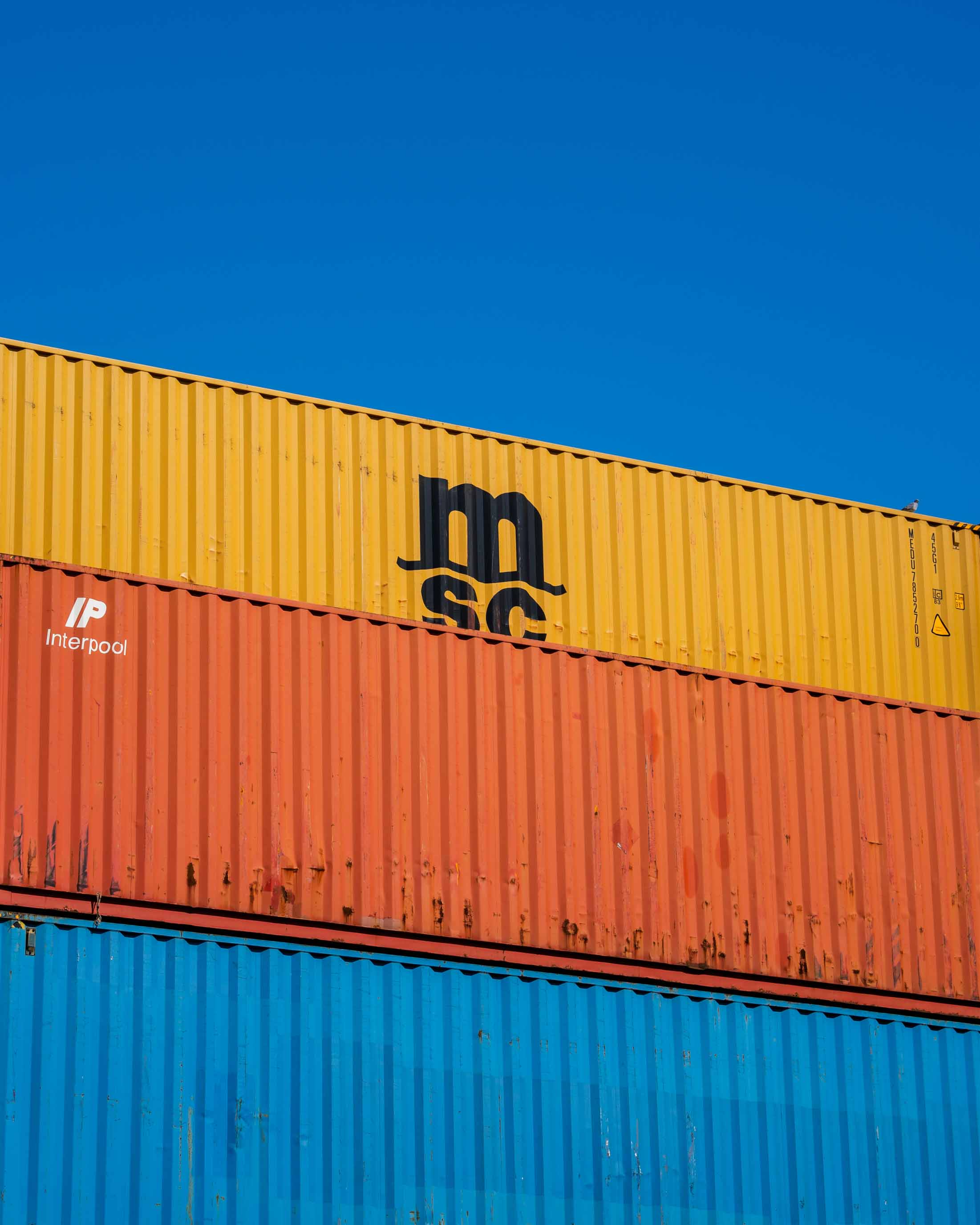
It is about knowing the box.
The hull, the people, the routes, the constraints, the paperwork, the weather window, the fuel budget. It is about building from the inside out, shipping only what fits, measuring only what matters, and earning trust every single day.
But here is what I think the industry still underestimates: the compounding effect of getting this right. When you free up mental capital on the bridge, the decisions improve. When the decisions improve, the data gets better. When the data gets better, the models sharpen. When the models sharpen, more mental capital is freed.
That flywheel is where the real transformation lives, not in any single tool or dashboard, but in the cumulative effect of operations that finally work the way they should. That is what we’re building towards. And I’m excited to see these solutions reach the market in the months ahead.
If you're wondering how we can help your maritime business move forward, don't hesitate to get in touch.